




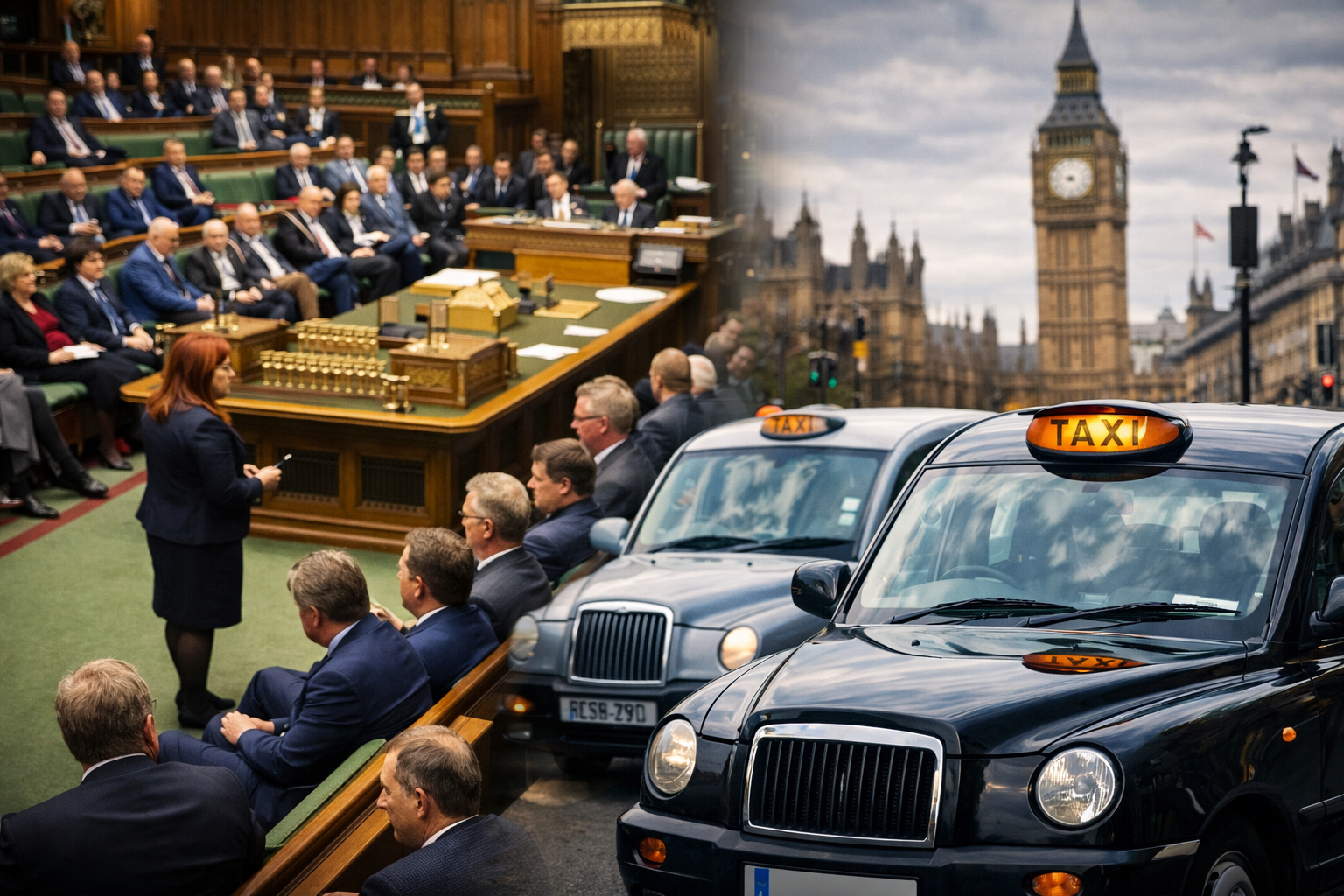
UK taxi politics and regulations: The Ultimate Guide to Licensing, Safety, and PHV Rules
The landscape of UK taxi politics and regulations has transformed considerably over the past decade, reflecting shifts in technology, safety standards, and political priorities. Drivers, operators, and passengers must now navigate a framework that ensures safety, accessibility, and fair competition. With the rise of private hire vehicles alongside traditional taxis, understanding these regulations is more critical than ever for anyone involved in the sector.
These regulations are shaped not only by practical concerns but also by political debates, balancing the interests of traditional taxi operators with the growing demand for affordable, app-based transport. National minimum standards, statutory guidance, and enhanced safeguarding measures illustrate how UK taxi politics and regulations directly affect drivers, operators, and passengers alike. Staying informed is essential for compliance and security.
Overview of UK taxi politics and regulations
UK taxi politics and regulations are deeply rooted in historical practices while continuously evolving to meet modern demands. The distinction between hackney carriages, which can pick up passengers on the street, and private hire vehicles, which must be pre-booked, is central to the political debates surrounding the industry. This distinction creates ongoing discussions about fair competition, passenger safety, and market access.
Local councils are responsible for issuing licences, yet they must adhere to statutory guidance from central authorities to maintain consistency. Political influences, such as lobbying by trade unions and private hire companies, further shape these regulations. Regional differences across England, Scotland, Wales, and Northern Ireland make it crucial for drivers and passengers to stay up to date on local variations in UK taxi politics and regulations.
Licensing and driver requirements
Licensing forms the backbone of UK taxi politics and regulations, ensuring that all drivers meet minimum safety and competency standards. Hackney carriage drivers and private hire operators must pass background checks, including enhanced DBS clearance, and demonstrate proficiency in English. Safeguarding training is mandatory to equip drivers with the skills to protect vulnerable passengers and respond appropriately to safety concerns.
Licensing authorities maintain oversight by monitoring driver compliance and using national databases such as the National Register of Licence Revocations and Refusals (NR3S). These measures prevent unsafe drivers from operating in multiple regions. Understanding the complex requirements of UK taxi politics and regulations is essential for operators and drivers seeking to remain compliant while providing safe, high-quality services.
Vehicle standards and safety regulations
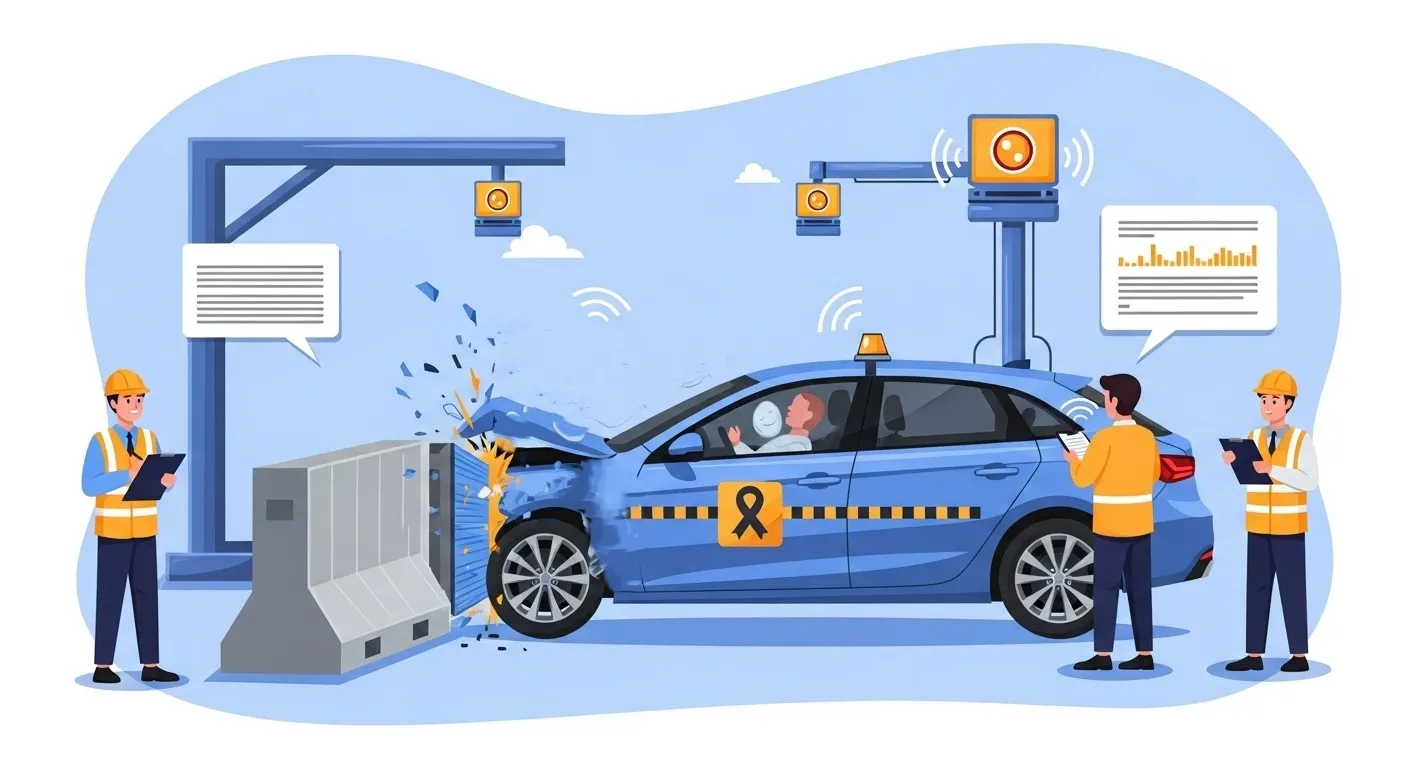
Vehicles play a critical role in UK taxi politics and regulations, with strict standards designed to ensure passenger safety and accessibility. Taxis and private hire vehicles must undergo regular inspections and comply with age limits, insurance requirements, and safety equipment mandates. Wheelchair-accessible vehicles are particularly emphasised to provide equitable transport for disabled passengers.
The 2025 proposed national standards aim to unify vehicle safety requirements across England, reducing regional disparities and improving overall service quality. Operators are responsible for keeping their vehicles in a safe, serviceable condition, while licensing authorities enforce compliance. These regulations highlight the intersection of policy, technology, and public safety in UK taxi politics and regulations.
Safeguarding and passenger protection
Passenger protection is a central concern in UK taxi politics and regulations. The Taxis and Private Hire Vehicles (Safeguarding and Road Safety) Act 2022 mandates reporting concerns about drivers, with councils required to verify whether licenses have been revoked elsewhere. These measures are designed to prevent unsafe individuals from working in the industry and to protect vulnerable passengers.
Drivers are required to complete safeguarding training and maintain a high standard of conduct. Licensing authorities play a key role in monitoring compliance and investigating incidents. By prioritising safety and accountability, UK taxi politics and regulations aim to create a transport network that passengers can trust while promoting a professional, responsible industry.
Market structure and regulatory challenges
The taxi market in the UK faces numerous regulatory challenges that intersect with political considerations. Hackney carriages enjoy the right to pick up passengers directly from the street, while private hire vehicles operate under stricter pre-booking rules. Local councils can restrict the number of licenses using unmet demand surveys, often sparking debate between traditional taxi operators and new entrants.
Technology has further complicated the market, with ride-hailing apps creating new opportunities for private hire operators while challenging existing regulatory frameworks. Balancing affordability, safety, and market fairness remains a core issue in UK taxi politics and regulations. Both passengers and operators benefit from transparent and consistent enforcement to ensure the industry remains safe, competitive, and reliable.
Recent and upcoming regulatory changes
UK taxi politics and regulations have been shaped by statutory updates in 2020, 2022, and proposed standards for 2025. These changes introduce national minimum standards for drivers, vehicles, and operators, aiming to create consistency across England. The updates also strengthen safeguarding procedures, ensuring vulnerable passengers are adequately protected while maintaining public confidence in taxi services.
Proposed changes emphasise uniformity, including enhanced driver training, vehicle standards, and accessibility measures. Operators who fail to comply risk penalties, licence revocation, and reputational damage. Understanding and adapting to these changes is critical for drivers and operators, highlighting how UK taxi politics and regulations continue to evolve alongside technology and societal expectations.
Conclusion
UK taxi politics and regulations are complex but vital for ensuring safety, fairness, and accessibility in the transport sector. Licensing requirements, vehicle standards, and safeguarding measures form the foundation of a well-regulated industry. Both drivers and passengers benefit from clear rules, consistent enforcement, and ongoing political oversight.
The future of UK taxi politics and regulations will continue to evolve as technology, demand, and safety considerations change. Staying informed and compliant ensures operators provide reliable, safe services while passengers enjoy accessible, trustworthy transport. The dynamic nature of this sector demonstrates the ongoing importance of understanding the intersection between regulation, politics, and public safety.
FAQs
What are the main types of taxi licences in the UK?
Hackney carriage and private hire vehicle licences are the primary types, each with specific operational rules. Both types require adherence to UK taxi politics and regulations to maintain safety and compliance.
How do UK taxi regulations differ across the UK?
England follows national minimum standards, while Scotland, Wales, and Northern Ireland maintain slight variations. Drivers and operators must understand local rules to remain compliant.
What safety standards must taxis meet?
Taxis must adhere to vehicle age limits, inspections, accessibility requirements, and insurance obligations. National standards ensure consistent safety and quality.
What is the role of the NR3S?
The National Register of Licence Revocations and Refusals tracks drivers who have had licences revoked, preventing them from operating elsewhere.
Are PHV drivers subject to the same regulations as taxi drivers?
Private hire drivers must follow pre-booking rules but are also bound by driver training, vehicle safety, and safeguarding requirements under UK taxi politics and regulations.
How will the 2025 standards affect operators?
Operators must meet stricter requirements for drivers, vehicles, and operations, ensuring consistent safety and compliance across England.
Can councils limit the number of taxi licences?
Yes, councils can restrict licences based on unmet demand surveys, balancing supply, safety, and market fairness.
You may also read: Duties, Safety, and Passenger Rights