



EasyJet Cabin Bag Size 2026 – Everything You Need to Know About Dimensions, Weight & Rules
Travelling with EasyJet requires a clear understanding of the EasyJet cabin bag size policy to avoid unexpected charges and ensure a smooth boarding process. EasyJet allows all passengers to bring a small cabin bag free of charge, while larger cabin bags are subject to specific rules, fees, or seat upgrades. Knowing the correct dimensions, weight limits, and placement requirements helps travellers make informed choices and ensures a hassle-free journey.
EasyJet cabin bag size rules have evolved over time, making it essential to stay up to date. Passengers who are unaware of the current allowances risk having their bags checked in at the gate, incurring additional fees. Comparing EasyJet’s cabin bag regulations with other airlines such as Ryanair, Jet2, British Airways, and Wizz Air can also help travellers understand how to pack efficiently and travel with confidence.
EasyJet Cabin Bag Size Rules 2026
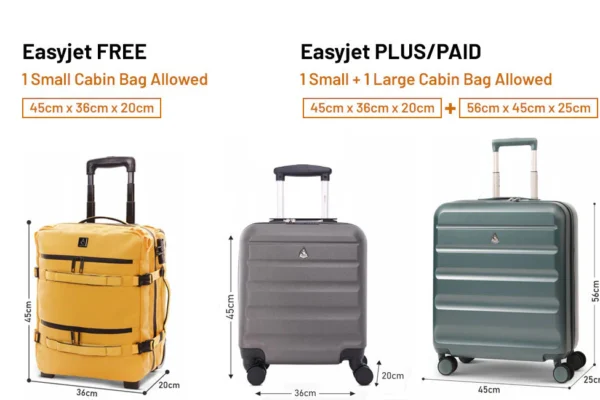
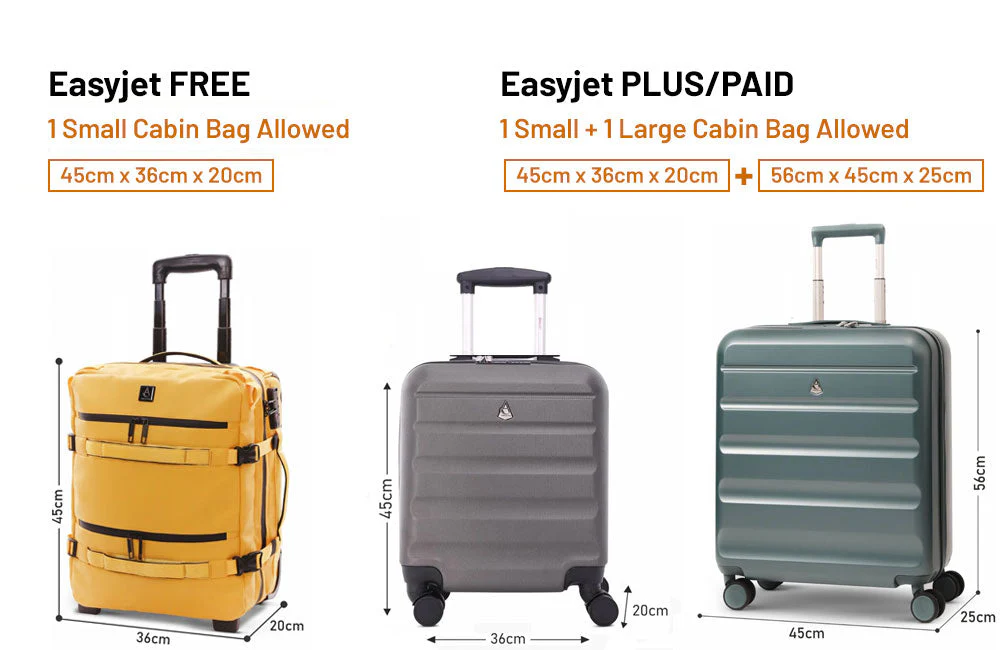
EasyJet permits all passengers to bring one small cabin bag on board at no additional cost. The maximum EasyJet cabin bag size for this allowance is 45 x 36 x 20 cm, including handles and wheels. This small bag must fit under the seat in front of you, making it ideal for essentials like laptops, documents, a change of clothes, or travel snacks. Understanding these rules can prevent gate delays and unnecessary charges.
For travellers who need more space, EasyJet offers a large cabin bag option with maximum dimensions of 56 x 45 x 25 cm. This larger bag is only available to passengers with Up Front or Extra Legroom seats, those who hold Flexi fares, or EasyJet Plus members. The bag must fit in the overhead locker, and any extra weight or incorrect dimensions may incur additional charges, making careful measurement crucial for stress-free travel.
Infants travelling on a parent’s lap are also allowed an extra small baby bag, which provides convenience for carrying nappies, bottles, toys, or other essentials. This ensures that families can travel comfortably without exceeding EasyJet’s small cabin bag limitations. Understanding these allowances allows passengers to comply with rules and enjoy a smoother boarding experience.
EasyJet Cabin Bag Size Compared to Other Airlines
Comparing EasyJet cabin bag size with other airlines reveals notable differences. Ryanair, for instance, permits a small underseat bag and a larger 10kg carry-on, but the allowed dimensions differ from EasyJet’s policies. Ryanair’s underseat bag tends to be smaller, making it less flexible for travellers carrying laptops or larger personal items. Awareness of these differences helps passengers plan multi-leg journeys effectively.
Jet2 cabin bag size rules also vary, offering slightly different allowances for small and large cabin bags. British Airways often allows slightly larger carry-on bags without extra fees, while Wizz Air and TUI have their own unique restrictions. By comparing EasyJet cabin bag size with these airlines, travellers can make informed decisions on which airline suits their needs, avoid excess fees, and plan their luggage more effectively for international and domestic trips.
EasyJet Cabin Bag Size Weight Limits

Weight is another crucial consideration when travelling with EasyJet. Small cabin bags have a practical weight restriction since passengers must be able to lift them under the seat comfortably. Large cabin bags are generally restricted to 15kg, depending on the fare type and membership status. Exceeding these weight limits may result in gate-checked baggage or additional fees, so passengers must check their bags before arriving at the airport.
Understanding weight restrictions also helps travellers pack efficiently. Distributing items evenly and avoiding overpacking ensures that your EasyJet cabin bag size meets both the dimension and weight requirements. Properly managed weight not only prevents penalties but also makes handling your bag during boarding and disembarking easier and safer.
Choosing the Right EasyJet Cabin Bag Size
Selecting the appropriate EasyJet cabin bag size is essential for a stress-free journey. Soft-sided bags are ideal for fitting under the seat, while hard-shell bags provide better protection for fragile items like electronics or souvenirs. It is also important to ensure that your bag’s dimensions do not exceed EasyJet’s limits, as even minor deviations can result in the bag being checked in at the gate.
Practical packing strategies can further improve convenience. Using packing cubes, compressible clothing, and organized compartments maximises space and keeps your items easily accessible. Choosing a bag that matches EasyJet cabin bag size regulations not only prevents fees but also makes travelling more comfortable, allowing passengers to navigate airports and planes efficiently.
Fees and Penalties for EasyJet Cabin Bag Size Violations
Failing to adhere to EasyJet cabin bag size rules can result in penalties and additional fees. Bags exceeding the allowed size may be placed in the hold, which can cost up to £50 depending on the airport and fare type. Pre-booking a large cabin bag or upgrading to a suitable seat can prevent these charges and ensure smoother boarding.
Passengers should carefully measure their cabin bags and verify weight limits before travel. Overweight or oversized bags not only cause delays but can also lead to stress and frustration at the airport. Following EasyJet cabin bag size rules allows travellers to avoid unnecessary fees while maintaining a hassle-free journey.
Tips for Travellers Using EasyJet Cabin Bag Size
Planning ahead is key to efficient travel with EasyJet. Measuring your cabin bag accurately and using a bag that meets the official EasyJet cabin bag size guidelines ensures compliance and convenience. Additionally, travellers should compare EasyJet rules with other airlines such as Ryanair, Jet2, and British Airways to anticipate differences in multi-leg journeys.
Packing smartly also improves travel experiences. Keep essentials easily accessible, avoid overpacking, and consider weight distribution for safety. By following these tips, travellers can ensure their EasyJet cabin bag size meets regulations, avoid extra fees, and enjoy a smoother and more enjoyable travel experience.
Conclusion
Knowing EasyJet cabin bag size rules is vital for stress-free and cost-effective travel. From small underseat bags to large overhead luggage, understanding the allowed dimensions, weight limits, and policies helps passengers avoid fees and delays. Comparing EasyJet cabin bag size with other airlines ensures informed choices for domestic and international travel.
Careful planning, choosing the right bag, and packing efficiently are essential steps to comply with EasyJet cabin bag size requirements. By staying informed and following these guidelines, travellers can enjoy smooth airport experiences and confident journeys with EasyJet.
You may also read: Long-Range UK Snow Forecast