




Downlight Covers for Loft Insulation and Fire Safety – UK Buyer’s Guide
Lighting design is no longer just about brightness or aesthetics—it’s about efficiency, fire safety, and energy conservation. That’s why downlight covers have become essential in modern UK homes, especially in loft areas. These specialised covers are installed over recessed downlights to protect against fire hazards, reduce heat loss, and help you meet UK building regulations.
Whether you’re fitting a new integral LED downlight or replacing an older GU10 downlight, the addition of properly fitted downlight covers can make a significant difference in the safety and performance of your lighting setup. In this guide, we’ll explore what they are, why you need them, how to choose the right one, and how to install them safely.
What Are Downlight Covers and Why Do They Matter?
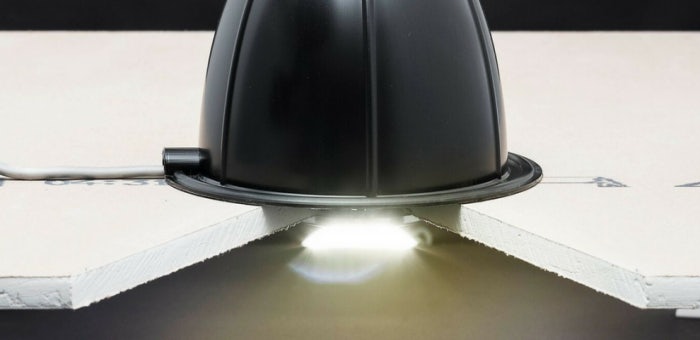
Downlight covers, sometimes known as fire hoods or insulation guards, are protective casings designed to sit over the back of recessed lighting fixtures. Their purpose is twofold: to maintain the integrity of fire-rated ceilings and to allow for safe insulation coverage around downlights. In homes with loft insulation, these covers prevent insulation from touching hot light fittings, reducing the risk of overheating or fire.
In the UK, fire safety is paramount. Most ceilings, particularly those separating floors, must comply with fire resistance standards. Without downlight covers, the holes cut into ceilings for downlights can become weak points in your home’s fire barrier. Installing a fire-rated cover ensures that your ceiling maintains its fire-resisting properties and your family stays protected.
Types of Downlights and Their Compatibility with Covers
There are various types of downlights commonly used in UK properties—each with unique characteristics. These include recessed downlights, surface mounted downlights, integral LED downlights, GU10 downlights, 12V downlights, and emergency downlights. Some downlights, such as the JCC V50 downlight or Aurora R6 downlight, are low profile and energy-efficient but still require safe installation with suitable covers.
The choice of downlight covers must reflect the design and requirements of your lighting. For example, recessed fixtures will almost always require a protective cover when installed in an insulated ceiling. Surface-mounted options might not require covers but still benefit from added protection. Always refer to the manufacturer’s compatibility guide or use a downlight spacing calculator to ensure correct placement and safe operation.
Choosing the Right Downlight Covers for Your Home

Selecting the best downlight covers involves considering factors such as fire rating, insulation depth, ease of installation, and airflow. In the UK, trusted brands like Thermahood, Tenmat, and SpotClip offer high-performance covers designed to withstand heat and prevent the build-up of moisture or condensation around the fixture.
Look for airtight downlight covers if you want to boost energy efficiency further—these are designed to minimise air leakage through your ceiling, especially useful in lofts. If your downlights are fitted with motion sensors or smart features like a PIR downlight, be sure the cover does not interfere with signal detection or heat dissipation.
Installing Downlight Covers Safely and Effectively
Installing downlight covers doesn’t require professional qualifications, but safety is key. Start by isolating the power to your lighting circuit before attempting any installation. The cover should be placed over the rear of the downlight fixture, and insulation can then be laid around or over the cover, depending on the model. Most products come with step-by-step instructions, and many can be fitted without tools.
For those replacing bulbs, it’s worth knowing how to replace an LED downlight bulb without disturbing the cover. Some models allow access to the bulb without removing the cover entirely, making ongoing maintenance simple. Always follow product-specific guidelines and wear appropriate protective gear when working in loft spaces.
Energy Efficiency Benefits of Using Downlight Covers
One of the lesser-known advantages of downlight covers is their contribution to reducing heat loss in your home. Uncovered recessed lighting can create significant thermal gaps, especially in well-insulated lofts. Heat rises—and without a cover, warm air can escape through the holes cut into the ceiling for your lights, leading to higher energy bills.
By fitting downlight covers, you create a seal that supports insulation continuity and helps maintain comfortable room temperatures. This is particularly valuable when using high-output lighting like LED downlights, which are already known for energy efficiency. Adding covers complements that efficiency and enhances the overall sustainability of your lighting system.
Where to Buy Quality Downlight Covers in the UK
You can find a wide selection of downlight covers at popular UK retailers such as Screwfix, Toolstation, Amazon UK, and specialist electrical wholesalers. Always look for products that meet British fire safety standards, particularly when installing in habitable rooms or ceilings between floors. Product reviews and installation guides can help you make a confident purchase.
If you are working with brand-specific lighting such as an Enlite downlight, Ansell downlight, or Robus downlight, ensure the cover you choose is compatible. Some manufacturers offer universal options, while others design covers specifically for their fixtures. It’s worth investing in the right product the first time to avoid costly mistakes.
Conclusion
Incorporating downlight covers into your lighting system isn’t just a recommendation—it’s often a requirement under UK building regulations. These small but mighty accessories play a critical role in maintaining fire safety, improving thermal insulation, and enhancing the energy efficiency of your home. Whether you’re renovating a loft, upgrading your ceiling lights, or simply ensuring compliance, don’t overlook the importance of downlight protection.
Choose the right cover for your fixture type, check fire ratings and installation instructions, and buy from reputable UK suppliers. With thoughtful planning and the correct materials, your lighting will not only look great but also perform safely and efficiently for years to come.
FAQs
Do downlights in lofts need covers?
Yes, especially recessed downlights installed in insulated ceilings. Covers help prevent fire hazards and allow for safe insulation coverage.
Are downlight covers fireproof?
Fire-rated downlight covers are designed to withstand high temperatures and help maintain the fire integrity of ceilings.
Can you lay insulation over downlights?
Only if downlight covers are fitted. Insulation should never touch unprotected lighting fixtures.
What’s the difference between GU10 and integrated LED downlights?
GU10 downlights use replaceable bulbs, while integrated LED models have built-in lighting units. Both can benefit from protective covers.
Where can I buy downlight covers in the UK?
They are available from Screwfix, Toolstation, Amazon, and specialist suppliers like Electrical2Go or Downlights.co.uk.
You may also read: HellermannTyton: The Complete Guide to UK’s Leading Cable Management Manufacturer