




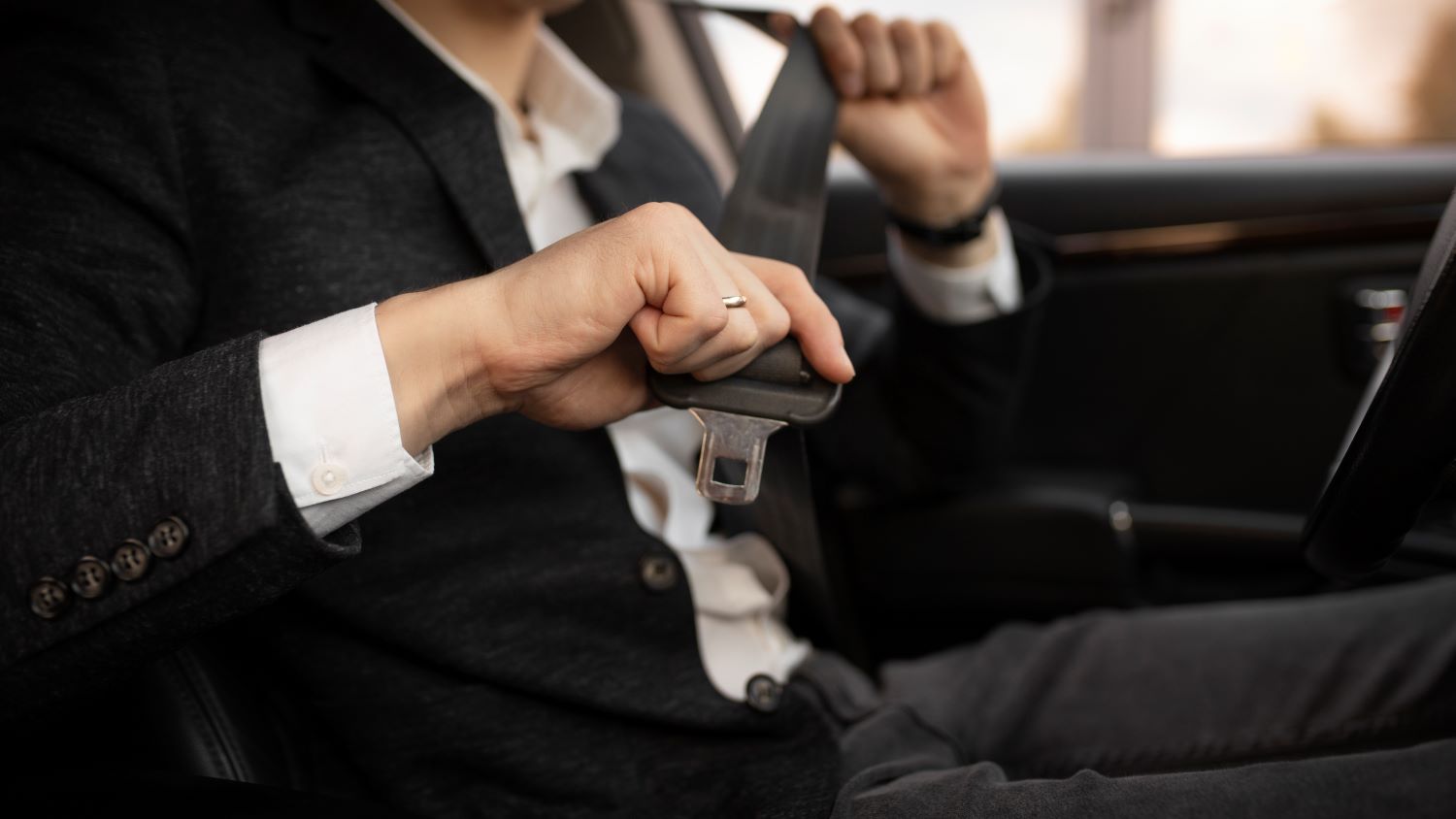
Do Taxi Drivers Have to Wear Seat Belts? UK Law, Exemptions & Safety Guide
The question do taxi drivers have to wear seat belts often arises among drivers, passengers, and curious members of the public. In the UK, seat belt laws are designed to protect everyone on the road, yet taxis operate under slightly different rules in certain situations. Understanding these regulations is essential for safety, legal compliance, and peace of mind while travelling or working in a taxi.
Many taxi drivers wonder whether legal exemptions mean they can forgo seat belts entirely. While the law provides exemptions, the importance of wearing a seat belt cannot be overstated. Seat belts dramatically reduce the risk of serious injury in collisions. For drivers, balancing legal exemptions with practical safety is a daily consideration, especially in busy urban environments or during night shifts.
Overview of Seat Belt Laws in the UK
Seat belt legislation in the UK was introduced to reduce road fatalities and injuries. Drivers and passengers are generally required to wear seat belts if they are fitted in a vehicle. Not complying with the law can lead to fines, penalty points, and increased insurance risks. These rules apply to most vehicles, but taxis have unique exemptions that make the question do taxi drivers have to wear seat belts particularly relevant.
The primary aim of these laws is to save lives. Wearing a seat belt reduces the likelihood of serious injury in accidents by more than 50%. For taxi drivers, understanding these rules ensures that while they may be exempt in some scenarios, their safety and the safety of passengers remain a top priority. Awareness of local regulations can also prevent legal complications and disputes with authorities.
Taxi Driver Seat Belt Exemptions
Licensed Hackney carriage taxi drivers are generally exempt from wearing seat belts while carrying passengers or “plying for hire.” This exemption exists primarily to allow drivers to exit the vehicle quickly in the event of an emergency, such as an assault or sudden threat. It also recognises the practical challenges of frequent stops and passenger interactions in busy city areas.
However, exemptions are not a blanket rule. Drivers must still exercise caution, and wearing a seat belt is recommended whenever possible for personal safety. Many drivers voluntarily wear seat belts even when legally exempt. The question do taxi drivers have to wear seat belts often sparks debate, but understanding the rationale behind the exemption helps both drivers and passengers appreciate the balance between law and safety.
Private Hire Drivers and Seat Belt Rules

Unlike Hackney carriage drivers, private hire drivers face stricter seat belt requirements. They must wear a seat belt when not carrying passengers, ensuring safety during transit. When passengers enter the vehicle, local rules may differ, but the emphasis remains on maintaining safety while providing a reliable service.
Private hire operators should be aware of these distinctions to avoid fines and maintain insurance compliance. Drivers often ask do taxi drivers have to wear seat belts in private hire settings, reflecting concerns about safety versus legal obligations. Understanding the difference between Hackney carriages and private hire services ensures drivers can make informed choices about seat belt usage.
Safety Considerations for Taxi Drivers
Even when legally exempt, taxi drivers benefit significantly from wearing a seat belt. Road accidents are unpredictable, and wearing a seat belt dramatically reduces the risk of serious injuries. Drivers who forgo seat belts rely solely on luck in high-speed collisions or sudden stops, making safety a personal responsibility despite legal exemptions.
Situations such as urban congestion, aggressive passengers, and night-time driving heighten the risks taxi drivers face. By choosing to wear a seat belt, drivers can protect themselves without compromising their ability to react in emergencies. Considering do taxi drivers have to wear seat belts, safety should always outweigh convenience, especially for those operating long shifts in high-risk areas.
Passenger Seat Belt Requirements
Passengers in taxis are legally required to wear seat belts, regardless of whether the driver is exempt. Adults, children, and elderly passengers must comply with these regulations, and failure to do so may result in fines or other penalties. Ensuring passengers are buckled up is crucial for overall road safety.
Taxi drivers often need to remind passengers about these rules, particularly if they are unaware of their legal obligations. Understanding do taxi drivers have to wear seat belts also includes recognising that exemptions for drivers do not apply to passengers. Educating passengers helps prevent accidents and fosters a safer travel environment for everyone in the vehicle.
Practical Tips for Taxi Drivers
Taxi drivers should balance legal exemptions with practical safety considerations. Wearing a seat belt, performing regular vehicle safety checks, and maintaining clear signage are recommended practices. Insurance policies may also reflect whether drivers follow safety guidelines, so compliance can affect both protection and premiums.
Communication with passengers about seat belt rules improves understanding and avoids disputes. Staying updated with local regulations is essential, as exemptions can vary by region. Many drivers still ask do taxi drivers have to wear seat belts, highlighting the ongoing need for clarity and guidance in the industry.
Regional Variations in the UK
Seat belt exemptions for taxi drivers can differ across England, Scotland, Wales, and Northern Ireland. Some areas may have removed exemptions or introduced stricter rules, making it essential for drivers to know local laws. This ensures compliance and avoids unexpected penalties.
Awareness of regional differences also affects insurance and legal responsibilities. Drivers operating across multiple jurisdictions should stay informed about changes to local regulations. Asking do taxi drivers have to wear seat belts is not just theoretical—it has real-world implications depending on where the taxi operates.
Conclusion
The question do taxi drivers have to wear seat belts is nuanced and depends on the type of taxi service and local laws. Hackney carriage drivers enjoy exemptions in certain scenarios, while private hire drivers face stricter obligations. Regardless of legal requirements, wearing a seat belt remains the safest choice for drivers.
Passengers must always wear seat belts to comply with the law and reduce injury risks. By staying informed and prioritising safety, taxi drivers can protect themselves, comply with regulations, and provide a secure travel environment. Legal exemptions do not replace good safety practices, making awareness and caution essential for every taxi journey.
You may also read: GB News Live: How to Watch and Listen