




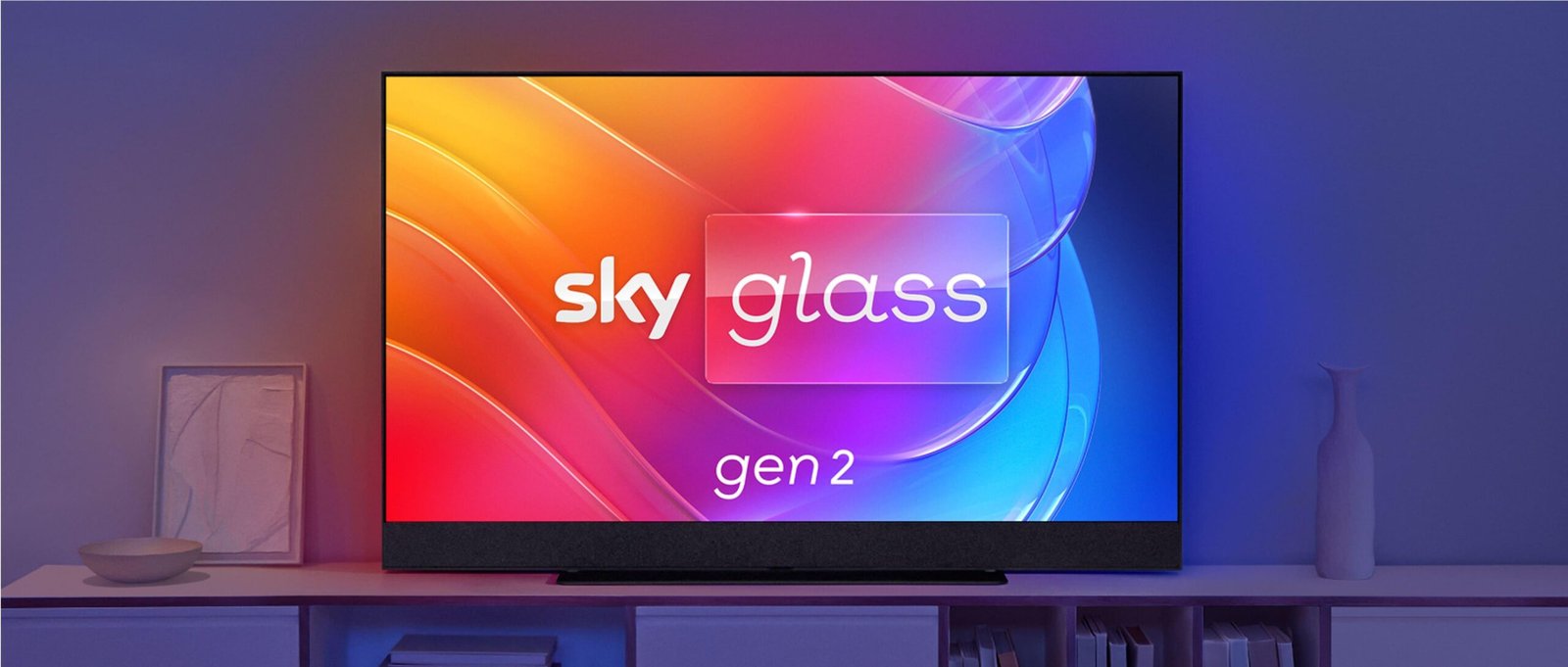
Sky Glass TV Review: Features, Price, Specs, and Is It Worth It in 2026
Sky Glass TV is a modern all-in-one entertainment solution designed to replace traditional satellite television systems with a fully internet-based streaming experience. Instead of relying on dishes, cables, or external set-top boxes, it integrates everything directly into a single smart television. This shift reflects a growing demand for simplified home entertainment systems that prioritize convenience, minimal setup, and seamless digital access.
In this Sky Glass TV Review, it becomes clear that the device is built for users who want everything in one place—live TV, on-demand streaming, and apps like Netflix—all controlled through a unified interface. The concept is not just about watching television but about transforming how users interact with content in a connected digital environment.
The appeal of Sky Glass TV lies in its ability to reduce complexity while maintaining premium viewing quality. With 4K visuals, built-in sound, and smart features, it targets households that prefer a clutter-free setup. As streaming continues to dominate entertainment habits in 2026, this type of integrated system is becoming increasingly relevant.
At the same time, Sky Glass TV represents a shift in dependency—from hardware infrastructure to internet reliability. This makes it both innovative and limiting depending on user circumstances. Understanding this balance is essential before deciding whether it is the right investment.
How Sky Glass TV Works
Sky Glass TV operates entirely through broadband internet rather than satellite transmission. All content, including live channels, sports, and on-demand libraries, is delivered through Sky’s proprietary operating system. This eliminates the need for external hardware and consolidates everything into a single streaming platform that updates automatically and continuously evolves with software improvements.
In practical terms, Sky Glass TV requires a strong and stable internet connection to function effectively. Without sufficient bandwidth, users may experience buffering, reduced resolution, or delays during live broadcasts. This dependency makes the quality of home broadband one of the most important factors influencing the overall user experience.
Another key element is the interface design, which organizes content from multiple apps into a single dashboard. This unified system reduces the need to switch between platforms manually, making navigation more intuitive. In this Sky Glass TV Review, the simplicity of this system stands out as one of its strongest usability advantages.
However, this streaming-only model also removes offline flexibility. Unlike traditional systems, there is no satellite fallback option, meaning users are fully dependent on internet connectivity. This design choice reflects the broader industry shift toward cloud-based entertainment.
Features Overview
Sky Glass TV comes equipped with a 4K Quantum Dot display that delivers sharp resolution, vibrant colors, and enhanced contrast for a more cinematic viewing experience. The display technology is designed to adapt to different lighting conditions, ensuring consistent visual quality across various environments, from bright living rooms to darker spaces.
One of the most notable features is its built-in Dolby Atmos sound system. Unlike conventional televisions that require external speakers or soundbars, Sky Glass TV integrates audio directly into the unit. This creates a more immersive experience, particularly for movies and sports, where directional sound enhances realism.
Voice control is another major feature, allowing users to search content, switch channels, and control playback without using a remote. In this Sky Glass TV Review, the convenience of hands-free interaction significantly improves accessibility and ease of use, especially for modern smart-home users.
Additionally, the system supports major streaming platforms alongside Sky content, creating a unified entertainment ecosystem. This reduces fragmentation and allows users to access everything from one interface, simplifying daily usage.
Models and Design
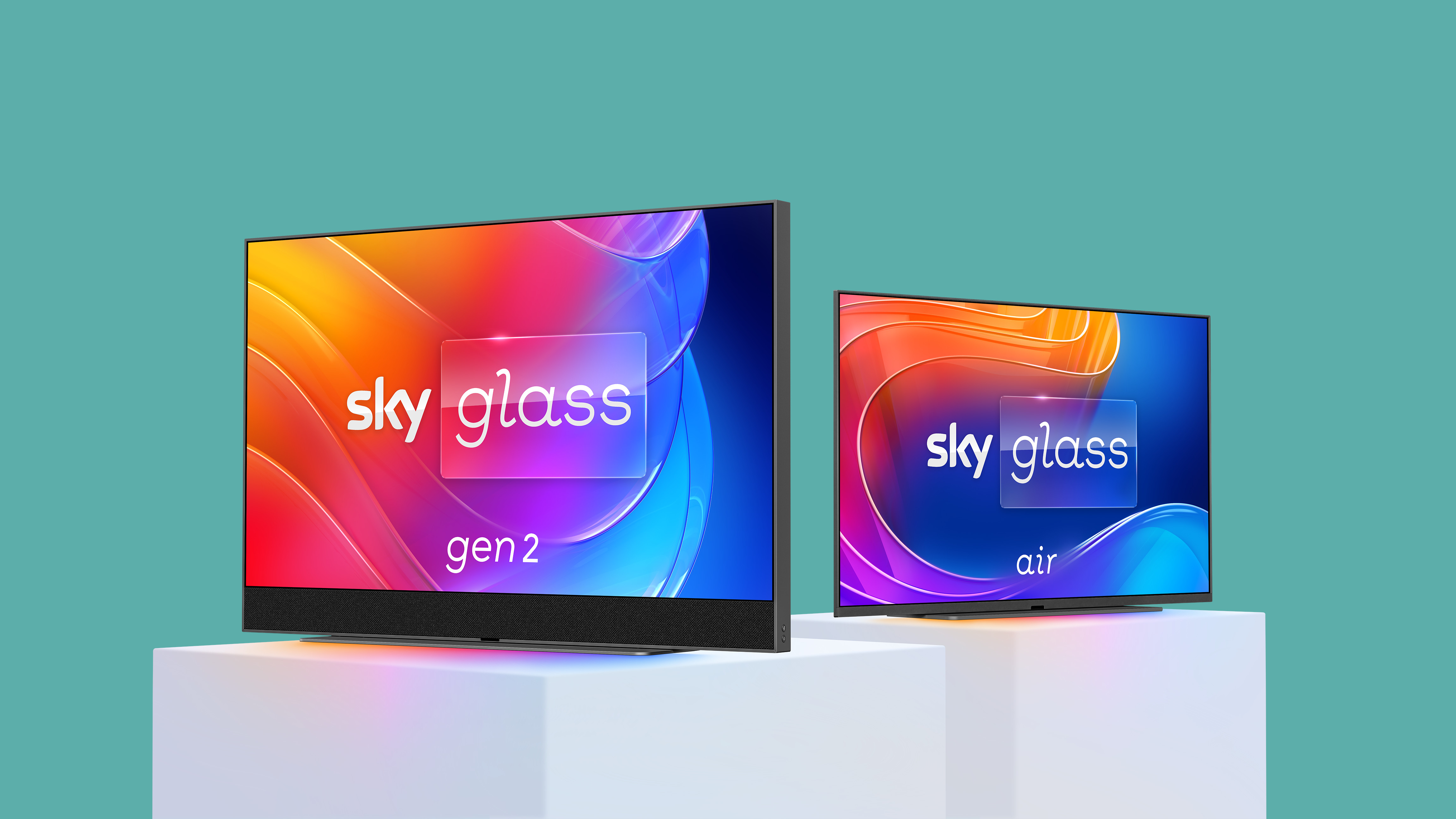
Sky Glass TV is available in multiple models, including standard and upgraded versions that differ in audio performance, display enhancements, and processing capabilities. The more advanced models offer improved dimming zones and better brightness control, making them suitable for users who prioritize premium picture quality.
Screen size options typically include 43-inch, 55-inch, and 65-inch variants. Smaller models are ideal for compact spaces such as bedrooms or apartments, while larger screens are better suited for living rooms and home theater setups. Choosing the correct size plays a significant role in maximizing viewing comfort and immersion.
Design-wise, Sky Glass TV focuses on minimalism, with a clean frame and integrated hardware that eliminates clutter. There is no need for external devices, which helps maintain a modern and organized entertainment space. In this Sky Glass TV Review, the design philosophy aligns strongly with contemporary interior trends.
The build quality emphasizes simplicity and functionality rather than excessive customization. This makes installation straightforward and reduces setup time significantly compared to traditional TV systems.
Price and Subscription
The pricing structure of Sky Glass TV is based on either monthly installment plans or a one-time upfront payment. However, unlike standard televisions, full functionality requires an active subscription to Sky’s entertainment services. This ongoing cost is an important consideration when evaluating long-term affordability.
In this Sky Glass TV Review, pricing is one of the most debated aspects. While the initial setup cost may seem accessible, the subscription model adds recurring expenses that accumulate over time. This makes it essential for users to assess their long-term budget before committing.
Despite the cost factor, the bundled approach offers value for users who already subscribe to multiple streaming services. By combining hardware and content into one ecosystem, Sky reduces the need for separate subscriptions and devices, which can simplify overall entertainment spending.
However, for users who prefer free streaming apps or lower-cost setups, this model may feel restrictive. The value ultimately depends on usage habits and viewing preferences.
Performance Review
Sky Glass TV delivers strong performance in terms of visual quality, thanks to its 4K Quantum Dot display technology. Colors appear rich and detailed, while HDR support enhances depth and contrast. This makes it particularly suitable for sports, movies, and high-definition streaming content where clarity is essential.
Audio performance is equally impressive, with built-in Dolby Atmos speakers providing immersive sound without requiring external equipment. Dialogue clarity, bass response, and spatial effects are noticeably enhanced compared to standard television speakers, creating a more cinematic experience.
In this Sky Glass TV Review, performance is generally positive but heavily dependent on internet stability. Since all content is streamed, fluctuations in broadband speed can directly affect playback quality, making a strong connection essential for optimal results.
Despite this dependency, the system remains smooth and responsive under ideal conditions. Navigation between menus, apps, and live content is generally fast and intuitive, contributing to an overall polished user experience.
Comparison with Sky TV and Sky Q
When comparing Sky Glass TV with Sky TV and Sky Q, the primary difference lies in delivery technology. Sky Glass TV relies entirely on internet streaming, while Sky Q continues to use satellite infrastructure, offering more traditional reliability and recording flexibility.
Sky Q is often preferred by users who want advanced recording features and less dependency on internet speed. However, Sky Glass TV provides a more modern, integrated experience with fewer physical components and a simpler setup process.
This Sky Glass TV Review highlights that Sky Glass is designed for convenience and future-focused streaming, while Sky Q caters to users who value control and traditional broadcasting features. The choice depends heavily on lifestyle and technical preferences.
Is Sky Glass TV Worth It in 2026
Sky Glass TV can be a strong investment for users who prioritize simplicity, design, and integrated streaming. It eliminates the need for satellite installation and reduces clutter, making it ideal for modern households that prefer clean, minimalist entertainment setups.
However, its value depends on internet quality and willingness to commit to a subscription-based ecosystem. In this Sky Glass TV Review, it becomes clear that while the system is innovative, it is not universally suitable for all users, especially those with unstable broadband or budget constraints.
For users already invested in streaming services and high-speed internet, Sky Glass TV offers a seamless and efficient entertainment solution. It represents a forward-looking approach to home entertainment that aligns with current digital trends.
Ultimately, its worth in 2026 depends on balancing convenience against long-term cost and connectivity requirements.
Conclusion
Sky Glass TV represents a significant evolution in how television is delivered and experienced. By combining hardware, software, and streaming into one integrated system, it simplifies entertainment while maintaining high visual and audio standards. Its design reflects the growing demand for all-in-one smart solutions.
This Sky Glass TV Review concludes that the product is best suited for users seeking convenience and modern streaming integration. However, it may not be ideal for those who prefer traditional satellite systems or lower ongoing costs. The decision ultimately depends on personal viewing habits and internet reliability.
FAQs
What is Sky Glass TV?
Sky Glass TV is an internet-based smart television that streams live and on-demand content without requiring a satellite dish or external box.
Does Sky Glass TV require a subscription?
Yes, a Sky Entertainment subscription is needed to access most channels and features.
Is Sky Glass TV dependent on internet speed?
Yes, performance depends heavily on stable and high-speed broadband connectivity.
What makes Sky Glass TV different from Sky Q?
Sky Glass TV is fully streaming-based, while Sky Q uses satellite technology and offers recording features.
What screen sizes are available?
Sky Glass TV is available in 43-inch, 55-inch, and 65-inch models.
Is Sky Glass TV worth buying in 2026?
It is worth it for users who prefer an all-in-one streaming system, but less suitable for those wanting traditional TV flexibility or lower recurring costs.
You May Also Read: topcashback uk vs topcashback usa differences