




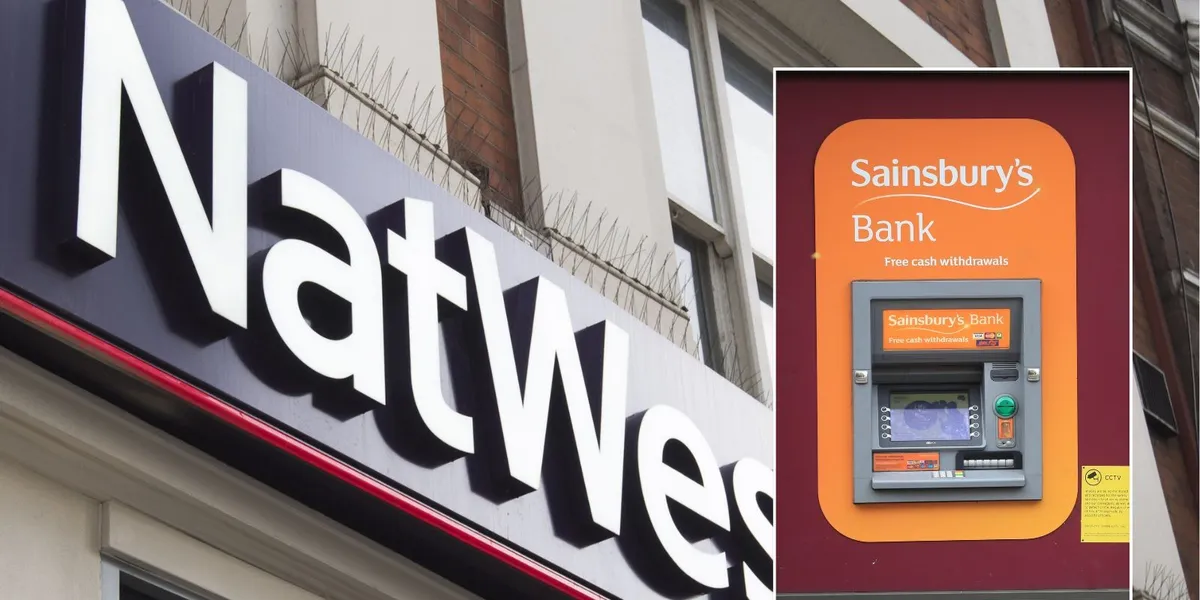
Sainsbury’s Bank Account Closures Explained: What Customers Need to Know About NatWest Transfers, Final Shutdowns, and Account Changes
Sainsbury’s bank account closures have become an important topic for UK banking customers as the institution winds down its financial services and transitions accounts to NatWest. Many customers are experiencing changes in how they access credit cards, loans, and savings products, with some accounts fully closed and others moved to new banking systems. This shift is part of a structured exit from the banking sector, designed to minimize disruption while ensuring all customer accounts are properly managed.
For most users, sainsbury’s bank account closures do not result in sudden loss of funds or services but instead involve a controlled migration or final settlement process. Customers may notice changes in account numbers, login systems, and servicing platforms as NatWest takes over responsibility. Understanding these changes is essential for avoiding confusion, missed payments, or account access issues during this transition period.
Why Sainsbury’s Bank Is Closing Accounts and Leaving Banking Services
The decision behind Sainsbury’s Bank Account Closures is rooted in Sainsbury’s long-term strategy to focus on its core retail business rather than financial services. Over time, the banking division became less central to the company’s growth plans, leading to a gradual withdrawal from credit cards, loans, and savings products. This exit allows the company to streamline operations and concentrate on supermarket and retail expansion across the UK market.
Another major factor driving sainsbury’s bank account closures is the increasing complexity and regulatory burden of operating a financial institution. By transferring accounts to NatWest, Sainsbury’s ensures customers continue to receive regulated banking services without interruption. This structured transition reflects broader industry trends where retail-linked banks reduce exposure to financial services and partner with established banking institutions for continuity.
NatWest Transfer and What Happens to Existing Accounts
A significant part of sainsbury’s bank account closures involves the transfer of customer accounts to NatWest, which now manages many former Sainsbury’s Bank products. Credit cards, personal loans, and selected savings accounts have been migrated into NatWest systems, allowing customers to continue using services with minimal disruption. In most cases, account details are updated automatically, and customers receive new instructions for accessing their accounts.
However, not all accounts were eligible for transfer, and some have been fully closed following repayment or inactivity. These differences make it essential for customers to confirm their individual account status. During sainsbury’s bank account closures, communication from both Sainsbury’s Bank and NatWest provides guidance on whether accounts are continuing under new management or have reached final closure.
Timeline and Key Developments in Sainsbury’s Bank Account Closures

The timeline of sainsbury’s bank account closures has unfolded gradually over several phases, beginning with public announcements and followed by staged account migrations. Customers were notified well in advance of any changes, ensuring they had time to prepare for account transfers or closures. Over time, credit card and loan portfolios were among the first to be moved into NatWest systems.
As the process continues, remaining accounts are being systematically reviewed and processed for final closure or migration. The phased approach ensures operational stability while reducing customer disruption. Each stage of sainsbury’s bank account closures is carefully managed to comply with financial regulations and maintain transparency throughout the transition period.
How Customers Are Impacted by Sainsbury’s Bank Account Closures
The impact of sainsbury’s bank account closures varies depending on the type of financial product held by each customer. Credit card holders may notice changes in billing systems, account statements, or online banking access as their accounts transition to NatWest platforms. Loan customers may also experience new servicing arrangements, including updated payment portals and contact channels.
Savings account holders may either be transferred automatically or have their accounts closed with final balances returned. In some cases, credit reporting agencies may reflect account closures or migrations, which is a standard part of banking transitions. Customers are encouraged to monitor their accounts closely during sainsbury’s bank account closures to ensure all financial records remain accurate and up to date.
What Customers Should Do During Sainsbury’s Bank Account Closures
During sainsbury’s bank account closures, customers should first verify whether their account has been transferred to NatWest or fully closed. This can usually be confirmed through official correspondence, email notifications, or secure banking portals. Taking early action helps prevent confusion and ensures customers remain informed about their financial status throughout the transition process.
It is also important for customers to update any linked payments, direct debits, or recurring transactions to avoid missed obligations. Contacting customer support can provide clarity if there are any uncertainties regarding account access. Staying proactive during sainsbury’s bank account closures helps ensure a smooth financial transition with minimal disruption to everyday banking activities.
Wider Impact of Sainsbury’s Bank Account Closures on UK Banking Industry
The broader significance of sainsbury’s bank account closures extends beyond individual customers and reflects ongoing changes in the UK banking sector. Many retail-linked financial institutions are reassessing their role in banking, often choosing to exit or consolidate services with larger, more specialized banks like NatWest. This shift improves efficiency and reduces operational complexity.
At the same time, the consolidation highlights a growing trend toward centralized banking services and digital transformation. Customers are increasingly relying on fewer but larger banking providers for financial management. Within this evolving landscape, sainsbury’s bank account closures represent a key example of how traditional retail banks are adapting to modern financial ecosystems.
Conclusion
Sainsbury’s bank account closures mark a major transition in the UK financial services sector, with most accounts either transferred to NatWest or fully closed after completion. While the process may feel complex for customers, it is designed to ensure continuity, security, and regulatory compliance throughout every stage of the transition.
Overall, sainsbury’s bank account closures highlight a structured exit strategy rather than an abrupt shutdown. By staying informed and taking timely action, customers can navigate this change smoothly and continue managing their finances with confidence under new banking arrangements.
You may also read: UK Average Salary by Region and Living Cost Differences