




Digestive Biscuits: The Ultimate Guide to Ingredients, Benefits, Varieties & Easy Recipes
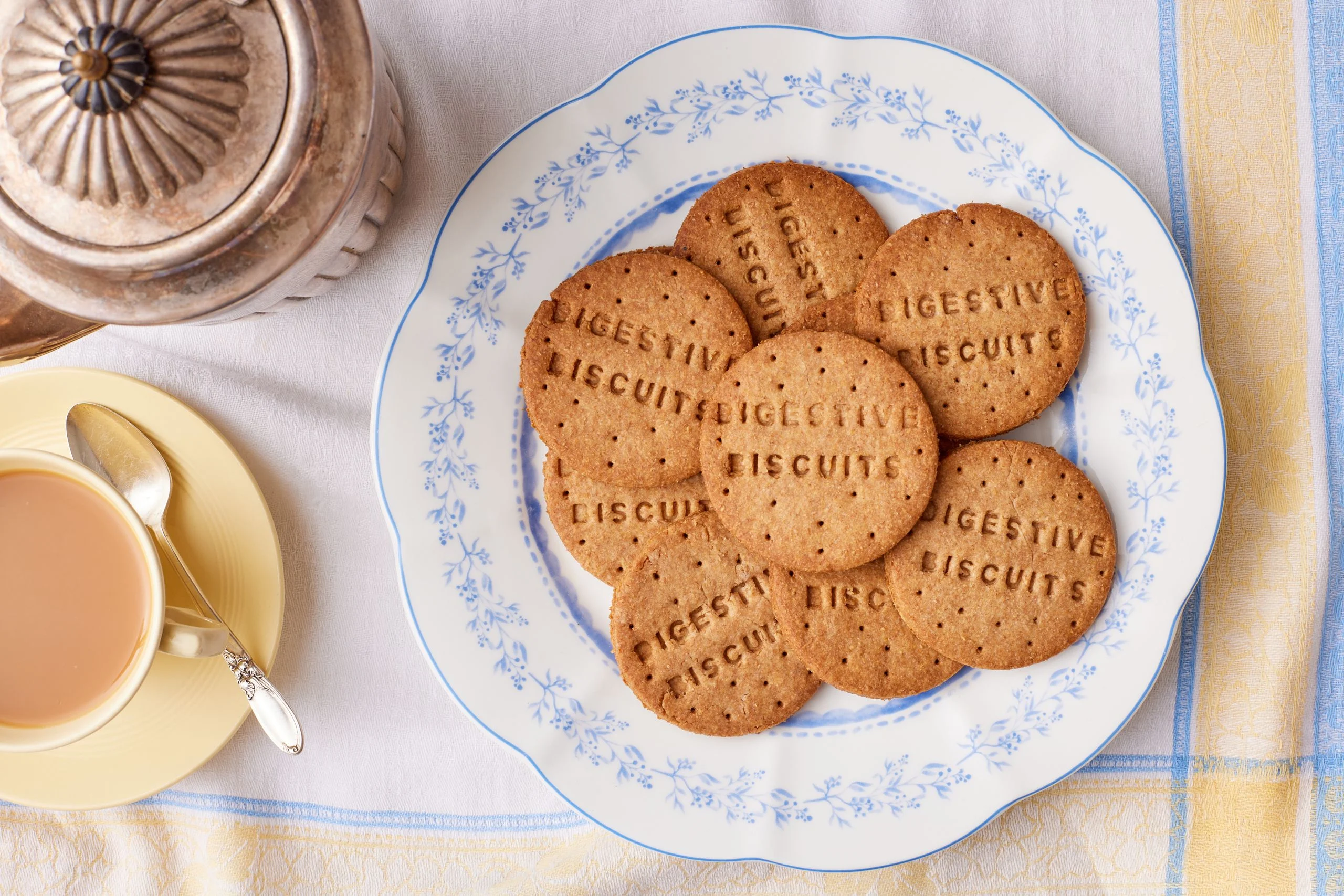
Digestive biscuits are a classic British snack enjoyed with tea, coffee, or milk. These slightly sweet, crisp biscuits are made primarily with wholemeal flour, which gives them a distinctive nutty flavour and crumbly texture. Over the years, digestive biscuits have become a staple in many homes across the United Kingdom and beyond, thanks to their simple ingredients and comforting taste.
Many people appreciate digestive biscuits because they are versatile and easy to enjoy in different ways. They can be eaten on their own, topped with butter or jam, or used as a base for desserts such as cheesecakes. Their balanced sweetness makes them suitable for everyday snacking, while their crunchy texture adds a satisfying bite that keeps people coming back for more.
History and Origin of Digestive Biscuits
The history of digestive biscuits dates back to the nineteenth century in Scotland. Originally, they were created by doctors who believed the ingredients might help support digestion. Wholemeal flour and baking soda were thought to contribute to this benefit, which is how the biscuit gained its distinctive name. Although the digestive benefits were never fully proven, the biscuit quickly became popular.
As the recipe spread throughout Britain, digestive biscuits were embraced by bakeries and food manufacturers. Companies such as McVitie’s played a major role in popularising them in the late nineteenth century. Their production helped transform digestives into one of the most recognised biscuits in British food culture, with millions of packets sold every year.
Ingredients Used in Digestive Biscuits
Traditional digestive biscuits are made using a small number of basic ingredients that work together to create their characteristic flavour. Wholemeal flour forms the base of the recipe and provides a slightly coarse texture. Sugar adds mild sweetness, while butter or vegetable oil contributes richness and helps create the biscuit’s crisp structure during baking.
Additional ingredients such as baking powder, salt, and sometimes milk are also included in the mixture. Compared with other British biscuits like Rich Tea Biscuits or Shortbread Biscuits, digestives offer a more balanced flavour. They are not as buttery as shortbread and not as plain as rich tea, which makes them appealing to a wide range of tastes.
Nutritional Value and Health Benefits

Many people wonder whether digestive biscuits are a healthier alternative to other sweet snacks. Because they are made with wholemeal flour, they typically contain some dietary fibre. Fibre is important for maintaining good digestion and may help people feel satisfied for longer after eating. This is one reason why digestive biscuits are sometimes seen as a slightly better option than very sugary biscuits.
However, digestive biscuits still contain sugar and fats, so moderation is essential. Compared with sweeter options such as Chocolate Biscuits, the plain version can be a lighter choice when enjoyed occasionally. When included as part of a balanced diet, these biscuits can provide a comforting snack without being overly indulgent.
Popular Types and Variations of Digestive Biscuits
Although the traditional plain digestive biscuit remains widely loved, several variations have emerged over time. One of the most popular options is the chocolate-coated digestive, which features a smooth layer of milk or dark chocolate on one side. This version combines the familiar crunch of the biscuit with the sweetness of chocolate, creating a more indulgent treat.
Other variations include reduced-sugar options, wholegrain versions, and gluten-free alternatives for people with dietary restrictions. Some flavours are inspired by biscuits such as Biscoff Biscuits, which offer a slightly spiced or caramelised taste. These modern adaptations keep the classic biscuit relevant while allowing consumers to explore new flavours and textures.
How Digestive Biscuits Compare with Other Famous Biscuits
Digestive biscuits stand apart from many other biscuits because of their subtle sweetness and grainy texture. Unlike buttery shortbread or sugary sandwich biscuits, they offer a milder flavour that pairs well with both sweet and savoury toppings. This balance makes them an excellent choice for those who prefer a less sugary snack during tea time.
When compared with biscuits like Anzac Biscuits or Empire Biscuits, digestives are generally simpler in design and flavour. While other biscuits may feature fillings, icing, or spices, digestives rely on quality ingredients and texture to create their appeal. This simplicity is part of what makes them so enduringly popular.
How to Make Digestive Biscuits at Home
Preparing digestive biscuits at home can be a rewarding baking project. The basic process begins with mixing wholemeal flour, sugar, butter, baking powder, and a small amount of milk to create a soft dough. The dough is rolled out thinly and cut into round shapes before being baked in the oven until golden and crisp.
Homemade digestive biscuits allow bakers to experiment with ingredients and flavours. Some people add oats for extra texture, while others use honey or brown sugar for deeper sweetness. Baking them at home also ensures freshness and gives you control over the ingredients, which can be useful for those seeking healthier or customised versions.
Creative Ways to Use Digestive Biscuits
Digestive biscuits are not only delicious on their own but also extremely useful in many dessert recipes. Crushed digestives combined with melted butter create a perfect base for cheesecakes. This crumb mixture forms a firm crust that complements creamy fillings such as vanilla, chocolate, or fruit-flavoured cheesecake mixtures.
They can also be used to make quick dessert toppings. Crumbled digestive biscuits sprinkled over yoghurt, custard, or ice cream add a crunchy texture and mild sweetness. Because their flavour is not overpowering, they blend well with many other ingredients, making them a versatile addition to both simple and elaborate desserts.
Digestive Biscuits in British Food Culture
Digestive biscuits have become closely linked with British tea culture. Many people enjoy dipping a biscuit into a cup of tea, allowing it to soften slightly before eating. This simple ritual has been part of everyday life in the United Kingdom for generations and remains a comforting tradition for many families.
Supermarkets throughout Britain offer a wide range of digestive biscuit brands and varieties. Producers such as Fox’s Biscuits continue to innovate while maintaining the traditional recipe. As a result, digestive biscuits remain one of the most widely recognised and enjoyed biscuits in British households.
Conclusion
Digestive biscuits have stood the test of time thanks to their simple ingredients, balanced flavour, and versatility. From their origins in nineteenth-century Scotland to their presence in modern kitchens around the world, they have become a symbol of classic British snacking. Their crisp texture and gentle sweetness make them suitable for both everyday enjoyment and creative cooking.
Whether eaten with tea, used as a cheesecake base, or baked at home, digestive biscuits continue to hold a special place in food culture. Their enduring popularity shows that sometimes the simplest recipes can become the most beloved. With so many variations and uses, these biscuits remain a timeless treat.
FAQs
What are digestive biscuits made of
Digestive biscuits are typically made with wholemeal flour, sugar, butter or vegetable oil, baking powder, and a small amount of salt. These ingredients combine to produce the biscuit’s distinctive crunchy texture and mild sweetness.
Why are they called digestive biscuits
The name originated in the nineteenth century when the biscuits were first developed. Doctors believed that baking soda and wholemeal flour might help digestion, which inspired the name even though the claim was never scientifically confirmed.
Are digestive biscuits healthy
Digestive biscuits can be a reasonable snack when eaten in moderation. They contain some fibre from wholemeal flour, but they also include sugar and fats, so they should be enjoyed as part of a balanced diet.
Can digestive biscuits be used in desserts
Yes, digestive biscuits are widely used in dessert recipes. They are often crushed to form the base of cheesecakes, pies, and chilled desserts, thanks to their firm texture and pleasant flavour.
Are there gluten free digestive biscuits
Many food companies now produce gluten free versions made with alternative flours. These allow people with gluten intolerance or coeliac disease to enjoy the taste and texture of digestive biscuits safely.
You may also read: Nutrition facts and calories