





Latest UK Taxi Licensing & Law Updates 2026: Safety, DBS Checks & Zero-Emission Rules Across England
Keeping up with the Latest UK Taxi Licensing & Law Updates is essential for taxi drivers and operators throughout England. Recent reforms aim to create a safer, more standardised, and environmentally conscious taxi industry. From stricter safety checks and enhanced driver vetting to zero-emission vehicle requirements, these updates impact both urban and rural operators. Understanding these changes ensures compliance, protects passengers, and maintains the reputation of taxi services across major cities such as Wolverhampton, Manchester, and Nottingham.
The Latest UK Taxi Licensing & Law Updates have been introduced to address inconsistencies in local licensing and prevent loopholes in cross-border operations. Councils are now required to follow national minimum standards while retaining authority to manage city-specific regulations. Drivers and operators must adapt to new DBS checks, vehicle safety standards, and environmental obligations, making staying informed about these updates crucial for legal and operational efficiency in 2026 and beyond.
National Taxi Licensing Overhaul in England
The Latest UK Taxi Licensing & Law Updates represent one of the most significant overhauls of the licensing system in England in recent years. The reforms aim to establish uniform safety, accessibility, and operational standards across all councils, reducing discrepancies between regions. Previously, drivers could exploit variations in local licensing, but the new legislation closes these loopholes and enforces consistent rules. The changes impact both taxis and private hire vehicles, ensuring public safety and greater accountability for drivers.
These updates also focus on the use of centralised databases for licensing authorities. Councils such as Stockport, Rochdale, and Oldham must now verify that drivers do not hold revoked or refused licences elsewhere. This measure is a key part of the Latest UK Taxi Licensing & Law Updates, as it prevents unsafe operators from working across multiple jurisdictions without proper checks. The overhaul ensures that all licensed drivers meet the same national safety and operational standards.
Safety and Driver Vetting Updates
Passenger safety is a primary focus of the Latest UK Taxi Licensing & Law Updates. Enhanced Disclosure and Barring Service (DBS) checks are now mandatory for all drivers, along with thorough background vetting. These requirements aim to protect vulnerable passengers and ensure that taxi drivers meet the highest ethical and professional standards. Councils across England, including Wolverhampton and Manchester, are implementing rigorous processes for vetting and monitoring drivers’ records.
The new safety measures also address cross-border operations, closing previous loopholes where drivers could operate legally in one region but breach regulations in another. Licensing authorities must now share information and verify records across regions, ensuring that drivers meet the Latest UK Taxi Licensing & Law Updates requirements nationwide. This approach strengthens passenger protection, reduces risks, and promotes confidence in public transport services.
Environmental and Vehicle Standards
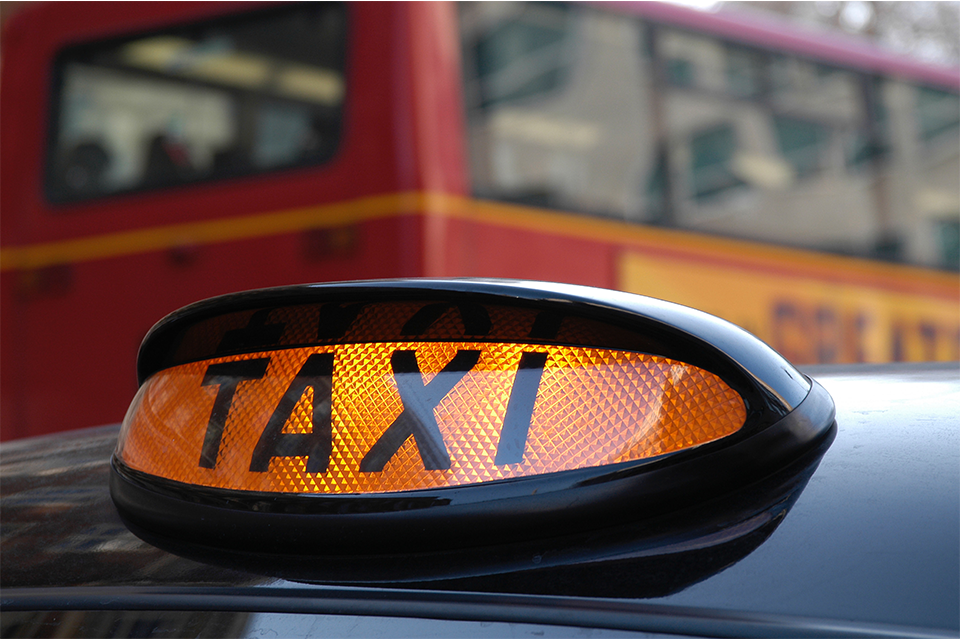
Environmental sustainability is another key element of the Latest UK Taxi Licensing & Law Updates. Councils in cities such as Nottingham, Doncaster, and Solihull now require new taxis to be zero-emission capable. This measure supports the UK government’s broader carbon reduction goals and encourages operators to invest in electric or hybrid vehicles. Operators must plan vehicle purchases carefully to comply with the latest environmental standards while remaining competitive.
The move toward cleaner taxi fleets is expected to benefit urban air quality and promote sustainable transport practices. Councils are providing guidance and support to help operators meet these requirements, but non-compliance can result in restrictions or fines. By following the Latest UK Taxi Licensing & Law Updates, drivers and operators can ensure compliance, contribute to environmental initiatives, and maintain smooth operations across multiple cities.
Cross-Border Taxi Licensing Issues
The Latest UK Taxi Licensing & Law Updates address longstanding challenges related to cross-border taxi operations. Previously, drivers could exploit loopholes, operating in multiple regions without adhering to consistent safety or licensing standards. Reforms now require proper vetting, vehicle checks, and adherence to local regulations, making cross-border operations safer and more accountable. Wolverhampton, in particular, has been central to debates over these reforms, highlighting the importance of consistent enforcement nationwide.
Cross-border licensing reforms also impact councils such as Sefton, Peterborough, and Kirklees. Drivers must ensure compliance with both national and local rules to avoid penalties, license suspension, or fines. The Latest UK Taxi Licensing & Law Updates provide clarity on operating across multiple jurisdictions while maintaining passenger safety and service standards. This makes it crucial for operators to stay informed about changes affecting both local and cross-border operations.
Local Authority Licensing Updates
Local councils play a critical role in enforcing the Latest UK Taxi Licensing & Law Updates. Wolverhampton taxi licensing, Manchester taxi licensing, and Stockport taxi licensing now integrate national standards while addressing unique city-level concerns. Local authorities oversee vehicle inspections, driver qualifications, and licensing procedures, making it essential for operators to understand both local and national requirements.
Different cities also introduce specific adaptations of the national reforms. For instance, Rochdale, Oldham, and Nottingham councils may have additional safety checks or environmental policies. Drivers and operators must follow local guidance to maintain compliance with the Latest UK Taxi Licensing & Law Updates, avoiding legal issues and ensuring passenger confidence in their services. Staying updated with council-specific procedures remains a vital part of operating legally in England.
Future Trends in Taxi Licensing
The Latest UK Taxi Licensing & Law Updates indicate a clear trend toward digital monitoring and centralised databases. Licensing authorities are increasingly using technology to track revoked or refused licenses, enforce safety standards, and improve cross-border compliance. These developments aim to reduce administrative inefficiencies and enhance transparency in the taxi sector.
Environmental compliance and cross-border restrictions are expected to tighten further, with a growing push for fully electric fleets and stricter vetting procedures. Drivers who remain proactive in following the Latest UK Taxi Licensing & Law Updates will be better prepared for future reforms, avoid penalties, and maintain operational efficiency in the evolving UK taxi industry.
Practical Guidance for Drivers and Operators
Taxi operators and drivers must take a proactive approach to comply with the Latest UK Taxi Licensing & Law Updates. This includes regular DBS checks, adherence to local and national vehicle standards, and updating operational records. Operators should also track cross-border licensing reforms to avoid inadvertent breaches when operating across multiple councils.
Drivers should maintain open communication with licensing authorities in cities like Wolverhampton, Manchester, and Nottingham. Ensuring vehicles meet zero-emission standards and keeping accurate records aligns with the Latest UK Taxi Licensing & Law Updates, safeguarding business operations and protecting passengers. Staying informed and compliant reduces legal risks and supports the overall professionalism of the taxi industry.
Conclusion
The Latest UK Taxi Licensing & Law Updates for 2026 represent a significant transformation in England’s taxi industry. With enhanced safety checks, DBS requirements, environmental regulations, and cross-border reforms, taxi operators and drivers must adapt quickly. Complying with these updates ensures passenger safety, legal compliance, and operational efficiency across cities including Wolverhampton, Manchester, and Stockport. Staying informed about these reforms is now essential for anyone operating in the UK taxi sector.
You may also read: What is Taxi Driver Online UK? and Career Opportunities