




How to Check If Your Plywood Is Really Termite Proof
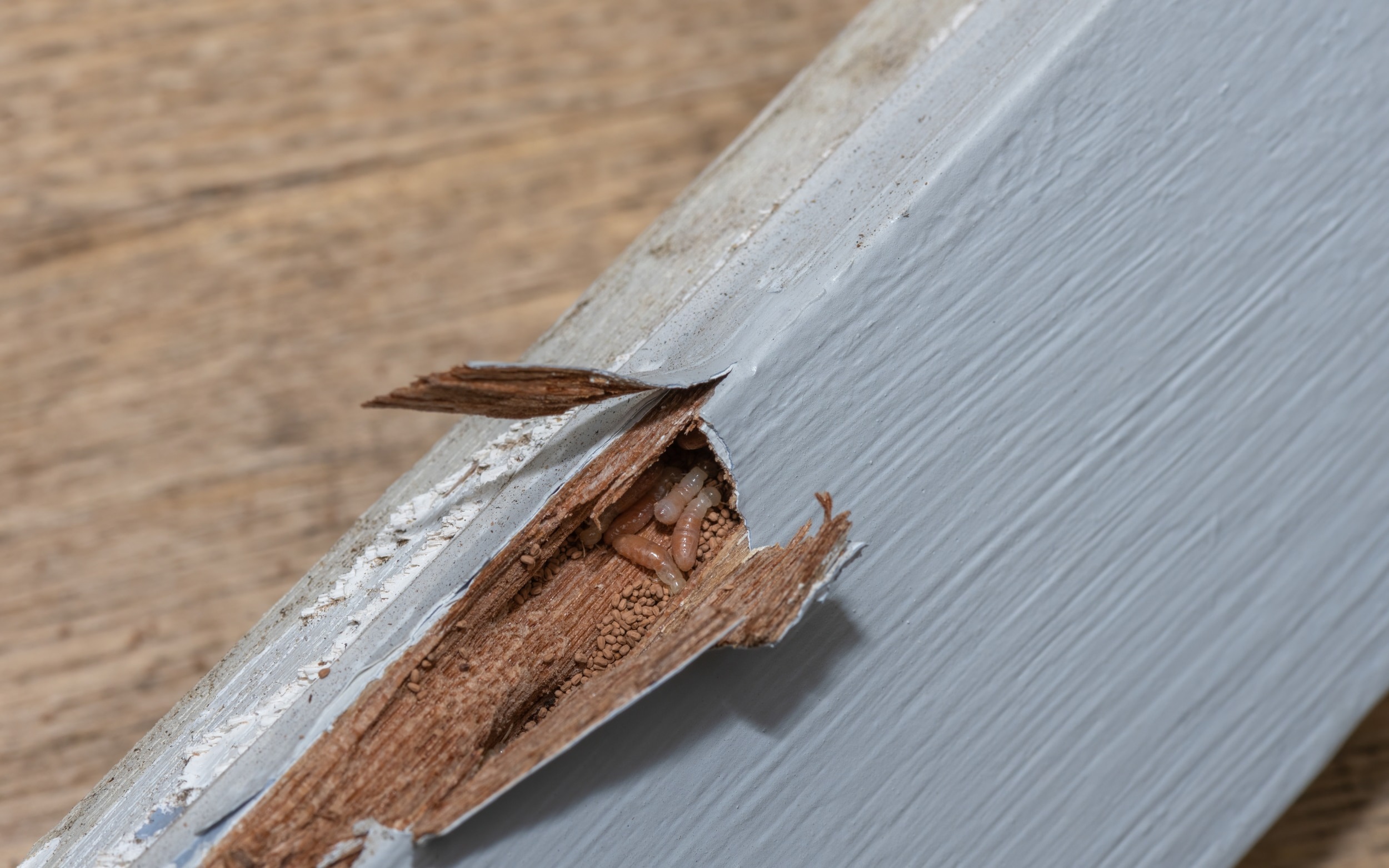
Termites are silent destroyers. By the time you notice damaged furniture or hollow-sounding wood, the problem is often already serious. That’s why choosing termite-proof plywood is critical for long-lasting interiors. But here’s the big question: How can you be sure the plywood you’re using is truly termite resistant and not just marketed that way?
Let’s break it down step by step.
Check the Plywood Grade and Treatment
Genuine termite-proof plywood is chemically treated during manufacturing. Look for plywood that is boron-treated or preservative-treated, as these chemicals repel termites and wood borers. Always verify whether the treatment is done at the core level and not just as a surface coat.
Look for ISI and Industry Certifications
One of the easiest ways to confirm authenticity is by checking certifications. In India, ISI-marked plywood (IS:303, IS:710) follows strict quality standards. These standards ensure that the plywood has undergone treatment processes that improve resistance against termites, moisture, and fungal attacks.
Ask About the Adhesive Used
The glue used in plywood plays a big role in termite resistance. Phenol-formaldehyde (PF) resin, commonly used in waterproof and marine plywood, offers better resistance compared to urea-formaldehyde glue. Termites thrive in moist conditions, and strong waterproof adhesives reduce that risk significantly.
Inspect the Core Quality
High-quality termite-proof plywood has a dense, uniform core with no gaps or air pockets. Termites often enter through voids inside low-grade plywood. Ask for a cross-section sample or inspect the edge of the board—poor core bonding is a red flag.
Perform a Simple Physical Test
Tap the plywood sheet gently with your knuckles or a small hammer. Solid plywood produces a firm, consistent sound, while termite-damaged or low-density boards sound hollow. Although this test isn’t scientific, it’s useful for quick on-site checks.
Check Manufacturer Warranty and Claims
Reputable plywood brands confidently offer long-term warranties (10–30 years) against termites and borers. If a brand avoids clear warranty terms or uses vague language, consider it a warning sign. A warranty reflects the manufacturer’s trust in their termite-proof treatment.
Ask for Product Test Reports
Professional-grade plywood manufacturers often provide lab test reports that show resistance to termites, moisture, and bending strength. If you’re investing in premium interiors, don’t hesitate to ask your dealer for this documentation.
Understand the Price Difference
Termite-proof plywood usually costs more than regular plywood—and for good reason. If the price seems too low for “termite-proof” claims, it likely lacks proper chemical treatment. Remember, replacing termite-damaged furniture costs far more than investing in quality plywood upfront.
Final Thoughts
Checking whether your plywood is really termite proof isn’t complicated—it just requires awareness. Certifications, chemical treatment, core quality, adhesive type, and warranty all tell a clear story. By paying attention to these factors, you can protect your furniture, save money in the long run, and enjoy peace of mind knowing your interiors are built to last.