



Basketball Positions Explained: Roles, Responsibilities and Skills
Basketball positions form the foundation of how the game is played, organised, and understood at every level, from school competitions to professional leagues. Each role on the court has a distinct purpose, requiring specific skills, physical attributes, and tactical awareness. For UK readers who are new to basketball or looking to deepen their understanding, learning about basketball positions is essential to appreciating how teams function effectively.
Although modern basketball has become more flexible, the traditional structure of basketball positions still plays a crucial role in coaching, player development, and match strategy. Knowing what each position does helps players improve their performance and allows fans to follow the game with greater insight and enjoyment. This guide explains every position in detail and shows how these roles fit together as part of a successful team.
Understanding the Five Basketball Positions
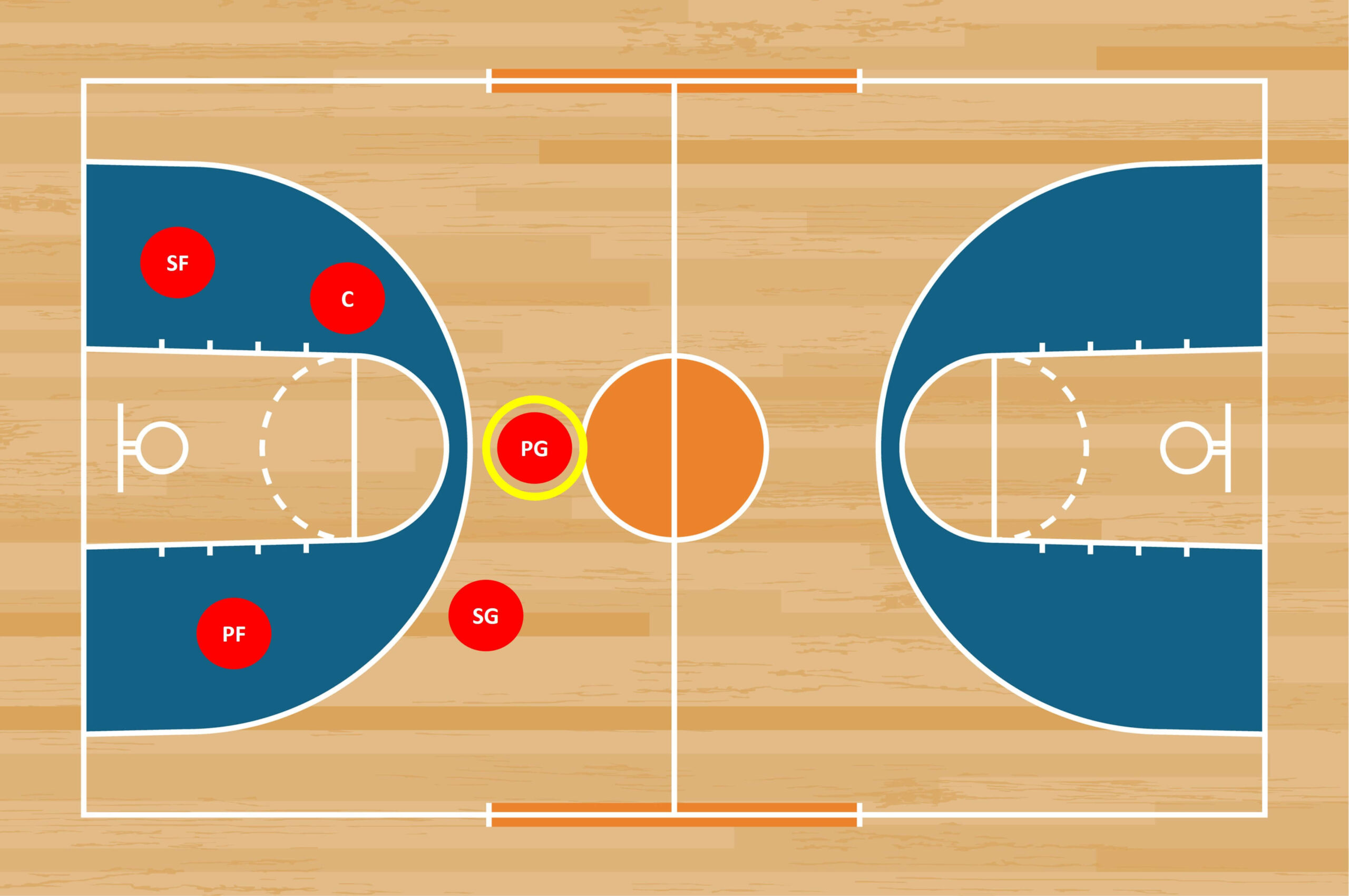
The five basketball positions are designed to balance offence, defence, and teamwork on the court. Each position occupies a specific area during play and carries responsibilities that support the team’s overall strategy. While players often rotate and adapt, the traditional roles still provide a clear framework for understanding the game.
These basketball positions include the point guard, shooting guard, small forward, power forward, and centre. Together, they create a unit where skills such as ball handling, shooting, defence, and rebounding are evenly distributed. Understanding these roles is particularly important for beginners, as it helps players recognise where they can contribute most effectively within a team structure.
Point Guard Role in Modern Basketball
The point guard is often described as the leader on the court, responsible for directing play and setting the tempo of the game. Among all basketball positions, this role requires the highest level of decision-making and awareness. Point guards bring the ball up the court, organise offensive plays, and ensure teammates are in the right positions.
In modern basketball, point guards are also expected to score when opportunities arise. While passing remains their primary duty, shooting accuracy and defensive pressure have become increasingly important. This evolution reflects how basketball positions have adapted to faster gameplay and more complex tactical systems, particularly in professional and international competitions.
Shooting Guard Responsibilities and Scoring Ability
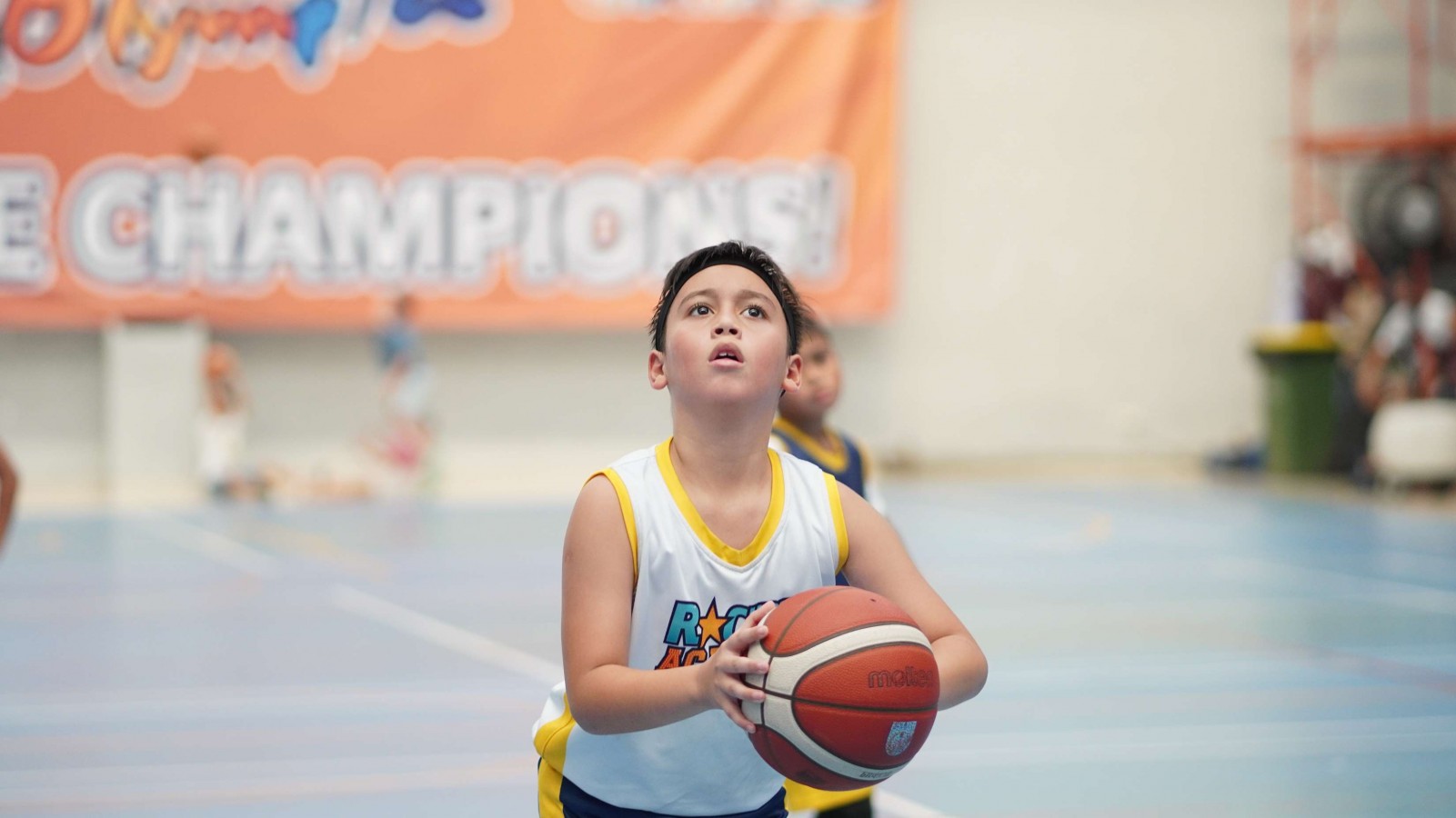
The shooting guard is traditionally the team’s most reliable scorer, specialising in long-range shooting and quick offensive movements. Among basketball positions, this role places a strong emphasis on accuracy, speed, and off-ball movement. Shooting guards must be able to create space, take shots under pressure, and contribute consistently to the team’s points tally.
Defensively, shooting guards are tasked with stopping opposing scorers and applying pressure on the perimeter. This dual responsibility makes the position demanding, as players must balance offensive creativity with disciplined defensive play. In the UK basketball scene, shooting guards are often developed for their versatility and ability to adapt to different game situations.
Small Forward as the Most Versatile Basketball Position
The small forward is widely regarded as the most versatile of all basketball positions. This role requires a blend of scoring, defence, athleticism, and tactical intelligence. Small forwards often act as a link between guards and forwards, supporting both perimeter play and inside scoring opportunities.
Because of this flexibility, small forwards must be comfortable handling the ball, shooting from distance, and defending multiple positions. In modern basketball, many teams rely heavily on their small forwards to adapt quickly during matches. This adaptability has made the position one of the most influential roles in contemporary team strategies.
Power Forward Duties in Attack and Defence
The power forward plays a physical and strategic role within the team, operating mainly near the basket. Among basketball positions, this role focuses on strength, rebounding, and inside scoring. Power forwards are expected to challenge opponents physically while maintaining control and discipline.
In attack, power forwards often support the centre by creating space, setting screens, and scoring from close range. Defensively, they are responsible for protecting the paint and contesting rebounds. As basketball continues to evolve, power forwards are increasingly expected to develop shooting skills, reflecting the changing demands of modern play.
Centre Position and Its Importance in the Paint
The centre is traditionally the tallest and strongest player on the team, anchoring both offence and defence near the basket. Among basketball positions, this role is crucial for controlling the paint, protecting the rim, and securing rebounds. Centres often play with their back to the basket, using strength and footwork to score effectively.
Defensively, centres act as the last line of protection, blocking shots and discouraging opponents from attacking the basket. While traditional centres focused mainly on interior play, modern basketball has seen this position expand to include passing and mid-range shooting, making it more dynamic than ever before.
How Basketball Positions Have Changed Over Time
Basketball positions have evolved significantly over the decades, reflecting changes in playing style, athlete development, and tactical innovation. Traditional roles were once rigid, with clear distinctions between guards, forwards, and centres. Today, these boundaries are far more flexible.
Modern basketball increasingly embraces positionless play, where players are encouraged to develop a wide range of skills regardless of their role. This shift has changed how coaches train athletes and how teams approach match strategy. Understanding this evolution helps players and fans appreciate how basketball positions remain relevant while adapting to new demands.
Choosing the Right Basketball Position for Your Playing Style
Selecting the right basketball position depends on a player’s physical attributes, skills, and personal strengths. Players with strong ball-handling skills and quick decision-making may thrive as guards, while those with height and strength often suit forward or centre roles.
In the UK, grassroots basketball programmes increasingly focus on developing all-round players rather than restricting individuals to one role too early. This approach allows young athletes to explore different basketball positions before specialising. Understanding each position helps players make informed choices and develop their game more effectively.
Conclusion
Basketball positions remain a fundamental part of how the game is played and understood, even as modern tactics continue to evolve. Each role contributes uniquely to team performance, combining individual skills into a cohesive unit. By understanding basketball positions, players can improve their performance, and fans can gain a deeper appreciation of the sport.
Whether you are new to basketball or looking to refine your knowledge, learning about these positions provides valuable insight into strategy, teamwork, and player development. As the game continues to grow in popularity across the UK, understanding basketball positions will remain essential for anyone involved in the sport.
FAQs
What are the five main basketball positions?
The five main basketball positions are point guard, shooting guard, small forward, power forward, and centre. Each role has specific responsibilities that contribute to the team’s overall strategy and balance on the court.
Which basketball position is best for beginners?
For beginners, guard or forward positions are often recommended, as they allow players to develop fundamental skills such as passing, shooting, and movement. However, the best basketball position depends on individual strengths and physical attributes.
Can players switch basketball positions?
Yes, many players switch basketball positions as they develop new skills or adapt to team needs. Modern basketball encourages flexibility, allowing players to perform multiple roles during a game.
What is the most important basketball position?
No single basketball position is the most important, as success depends on teamwork and balance. Each role contributes differently, and effective coordination between positions is key to winning matches.
How has modern basketball changed traditional positions?
Modern basketball has blurred the lines between traditional positions by encouraging players to develop a wide range of skills. This shift has made basketball positions more flexible and adaptable to fast-paced, tactical gameplay.
You may also read: OCNJ Daily Real Estate: Homes and Condos for Sale