



Busy Books for Toddlers: The Ultimate Guide to Interactive Montessori Learning
Busy books are an engaging and educational tool designed to captivate toddlers while supporting their development. These interactive activity books combine learning and play, helping children develop cognitive, sensory, and fine motor skills. Busy books are carefully crafted with tasks such as zippers, buttons, puzzles, and alphabet games, offering children a hands-on learning experience that is both fun and meaningful.
The appeal of busy books lies in their ability to encourage independent learning. Children can explore various activities at their own pace, which enhances problem-solving and decision-making skills. Busy books are particularly effective in the early years, providing toddlers with a stimulating environment where creativity and curiosity are nurtured through tactile experiences.
What Are Busy Books
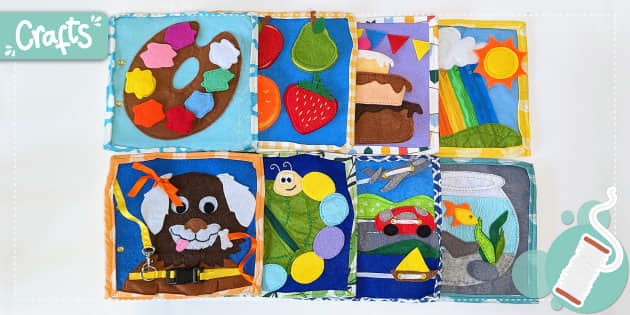
Busy books are specially designed books that incorporate interactive activities for young children. Unlike traditional storybooks, busy books contain a range of tasks and challenges that promote active learning. From felt pages with movable parts to DIY versions made at home, busy books are versatile tools that support multiple aspects of early development.
These books are typically suited for toddlers aged one to five years. They are designed to introduce children to basic concepts such as numbers, letters, shapes, and everyday life skills. By engaging children in hands-on tasks, busy books promote concentration, coordination, and independent learning, making them an essential resource for both home and preschool environments.
Benefits of Busy Books for Toddlers
Busy books offer numerous benefits that support early childhood development. They help improve cognitive skills by encouraging toddlers to think critically and solve problems independently. Each activity within a busy book is designed to challenge the child’s mind, enhancing memory, focus, and logical reasoning in a fun and interactive way.
Fine motor skills are another key benefit of busy books. Tasks such as tying laces, pressing buttons, or sliding pieces improve hand-eye coordination and dexterity. Additionally, busy books offer sensory stimulation through bright colours, varied textures, and interactive elements. This multi-sensory approach ensures that learning is engaging, enjoyable, and effective for young children.
How to Choose the Right Busy Book

Selecting the right busy book is essential to ensure that children gain maximum benefit. Parents should consider the age and developmental stage of their child when choosing a busy book. Younger toddlers require simpler tasks, while older toddlers can handle more complex activities that challenge their problem-solving abilities.
Material quality is also important when choosing busy books. They should be durable, non-toxic, and easy to handle, as toddlers can be rough on their toys. Montessori-inspired busy books are particularly recommended because they combine educational content with interactive play. Choosing the right busy book ensures children remain engaged and motivated to learn.
Popular Types of Busy Books
Montessori activity busy books are highly popular due to their focus on practical life skills. They include zippers, buttons, shoelaces, and puzzles, helping toddlers develop essential daily skills. Busy books with alphabet and number themes introduce early literacy and numeracy, making learning a fun and interactive experience.
Animal and nature-themed busy books are also widely used to teach toddlers about the world around them. DIY busy books allow parents to create personalised learning experiences tailored to their child’s interests. Digital busy books provide interactive elements through apps and e-books, combining technology with education. Each type of busy book caters to different learning styles and preferences.
How to Use Busy Books Effectively
Busy books are most effective when used in a structured yet flexible way. Setting aside dedicated playtime allows toddlers to focus without distractions, enhancing their engagement with each activity. Busy books work best in short sessions that align with a toddler’s attention span, ensuring learning remains enjoyable rather than overwhelming.
Parents and caregivers can guide children initially, demonstrating how to complete each activity. After this, toddlers can explore busy books independently, promoting problem-solving and confidence. Rotating activities within busy books keeps children interested and prevents boredom. Regular use of busy books supports skill development, creativity, and curiosity over time.
Where to Buy Busy Books in the UK
Busy books are available through a variety of retailers across the UK. Online marketplaces such as Amazon UK and eBay offer a wide selection, while local toy shops and Montessori stores stock high-quality options. Busy books are available in different price ranges to suit varying budgets, making them accessible for most families.
When buying busy books, it is important to consider material quality, educational content, and safety standards. High-quality busy books provide durable and safe learning experiences that can last for years. Many parents find that investing in well-designed busy books offers excellent value, as they combine fun, education, and developmental benefits in a single product.
Conclusion
Busy books are a valuable resource for supporting toddlers’ early learning and development. By combining play with education, these interactive books improve cognitive, sensory, and fine motor skills while keeping children engaged. Busy books are versatile, suitable for home or preschool settings, and designed to encourage independent learning.
Incorporating busy books into daily routines provides children with opportunities to explore, experiment, and learn in a fun and interactive way. By choosing age-appropriate and high-quality busy books, parents can foster creativity, curiosity, and confidence in their toddlers, giving them a strong foundation for lifelong learning.
You may also read: Types of Business Suit Carriers and How to Choose the Right One