



Padel Rules: The Complete Beginner’s Guide to Playing, Serving, and Scoring
Padel is a rapidly growing racquet sport in the UK, gaining popularity in London, Canary Wharf, and many other areas. Unlike traditional tennis, padel is played in doubles on an enclosed court where walls are part of the game. Understanding the padel rules is essential for beginners to enjoy matches confidently and avoid unnecessary penalties. These rules guide everything from serving to scoring and the use of walls during play.
The sport is not only fun but also highly social and strategic. Following the padel rules allows players to participate safely while enhancing competitiveness. With proper knowledge, beginners can focus on developing skills such as volleying, positioning, and communication with their partners. For anyone searching “padel near me” or looking to book local courts, knowing the official padel rules ensures a smooth and enjoyable first experience.
What is Padel? An Overview
Padel is a fast-paced racquet sport that combines elements of tennis and squash. Played primarily in doubles, the game is famous for its creative use of walls, smaller court size, and fast rallies. Many newcomers wonder “what is padel” and how it differs from tennis or pickleball. Understanding these distinctions, along with the padel rules, helps beginners adapt quickly and enjoy the unique experience the sport offers.
In the UK, padel courts are becoming increasingly accessible, with clubs and facilities across London, Canary Wharf, and other regions. Many enthusiasts are searching for “padel courts near me” to start practising this exciting sport. The game is governed by clear padel rules that ensure fairness, safety, and strategic play, making it enjoyable for beginners and experienced players alike. These rules also emphasise teamwork and communication between doubles partners.
Padel Court and Equipment Essentials
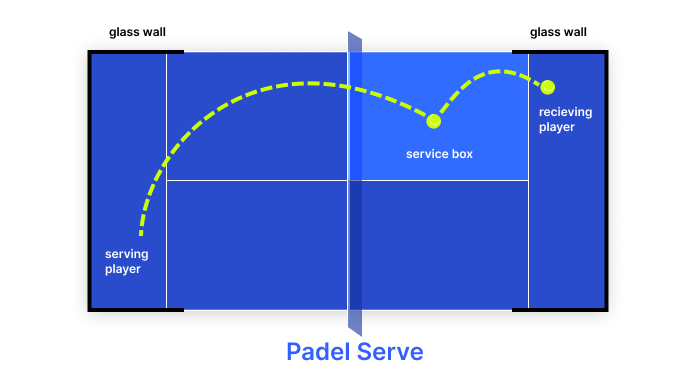
A standard padel court is smaller than a tennis court and is enclosed by glass walls and wire mesh. The walls are integral to the game, allowing players to execute strategic rebounds. Understanding the padel rules includes knowing how to play effectively with these walls, which adds a tactical dimension to rallies. Beginners should familiarise themselves with the court layout to move efficiently during matches.
Proper equipment is essential for any player. Padel requires a specialised padel racket designed for control and precision, along with padel balls suitable for fast-paced rallies. Wearing appropriate padel shoes ensures grip, agility, and stability on court. Players searching for “padel tennis near me” or “padel London” should consider renting or buying the right equipment, as using correct gear complements the padel rules and improves overall performance.
Padel Rules and Scoring

Learning the padel rules is crucial to enjoy the game properly. Matches are played using a tennis-like scoring system: points progress through 15, 30, 40, and then game point, with sets played best of three. Serving is always underarm, below the waist, into the diagonal service box. Players have two attempts per serve, and failing to follow these rules may result in a lost point.
During rallies, the padel rules dictate that the ball must bounce once before being hit back. Players can use the glass walls to their advantage, but hitting the wire mesh or allowing the ball to bounce twice results in losing the point. Volleys are allowed, but the ball cannot be hit twice or touched with the body. Mastering these rules ensures fair and competitive play while increasing enjoyment for both beginners and advanced players.
How to Play Padel: Tips for Beginners
Starting to play padel effectively requires practice, understanding of court positioning, and strategic communication with your partner. Beginners should focus on accurate serving, controlled returns, and learning how to use walls creatively during rallies. Following padel rules not only ensures fair play but also makes it easier to develop proper techniques and skills on court.
Padel is also highly social, making it a fun activity for friends and family. Joining local clubs or searching “padel courts near me” can provide the opportunity to practice regularly. Beginners who understand the padel rules can quickly gain confidence, enjoy longer rallies, and experience the full excitement of this growing sport in the UK. Regular practice while respecting the padel rules enhances both performance and enjoyment.
Padel vs Other Racquet Sports
Padel is often compared to tennis, squash, and pickleball, but it has unique characteristics. Unlike tennis, padel is always played in doubles and the walls are actively used in play. Compared to pickleball, padel involves more continuous rallies and strategy. Knowing the padel rules clarifies how scoring, serving, and court positioning differ from other sports, making the transition for beginners smoother.
The popularity of padel is rising in the UK due to its accessibility, fun gameplay, and social appeal. For beginners exploring “padel near me” or considering trying new sports, padel offers a unique combination of fitness, strategy, and teamwork. Following the padel rules allows players to enjoy the game safely while engaging in an active, competitive, and enjoyable sport.
Conclusion
Padel is a thrilling and social sport that is easy to learn once you understand the padel rules. From serving correctly to scoring and using the walls strategically, these rules are essential for safe and competitive play. Beginners in the UK can find local courts and enjoy the game while practising regularly and refining their skills.
Mastering the padel rules opens the door to a sport that combines strategy, fitness, and fun. With proper equipment, practice, and understanding of the regulations, anyone can enjoy padel at a local club or through community sessions. Its growing popularity in London, Canary Wharf, and beyond shows that padel is here to stay, offering endless enjoyment for players of all ages.
You may also read: How to Get an Insure4Sport Quote Online