




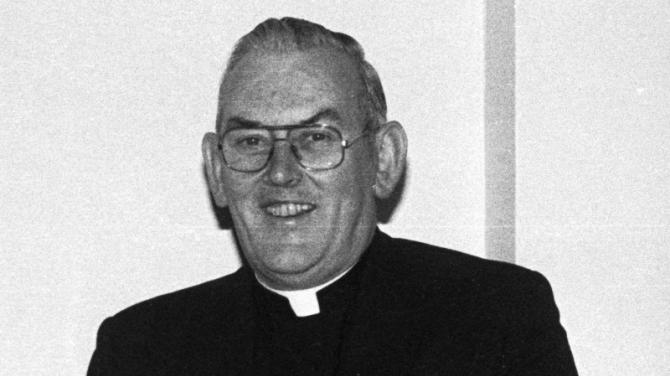
Malachy Finnegan Abuse Cases: Latest UK Legal Updates, Victim Settlements & Court Rulings
The name Malachy Finnegan has become synonymous with one of the most shocking historical abuse cases in Northern Ireland. Survivors of St Colman’s College, Newry, have come forward recounting traumatic experiences of sexual and physical abuse allegedly inflicted by the late priest. These cases, which surfaced decades after the incidents, have prompted legal action and significant media coverage across the UK, bringing public attention to long-standing institutional failures.
Legal proceedings involving Malachy Finnegan have not only highlighted the severity of the abuse but also underscored the importance of survivor rights and institutional accountability. Compensation settlements have been awarded to victims, and ongoing cases continue to unfold. The societal impact of these cases has sparked widespread discussion about safeguarding, justice, and reform in religious institutions, influencing policies across the UK.
Background on Malachy Finnegan
Malachy Finnegan served as a priest within the Diocese of Dromore and held positions of influence at St Colman’s College. His role placed him in close contact with students, and over time, allegations emerged of physical and sexual abuse committed against pupils under his care. Public awareness of these allegations increased dramatically in 2018, years after his death in 2002, when the Diocese acknowledged failures to protect children.
The legacy of Malachy Finnegan is a complex one, blending his religious role with the serious allegations that tarnished his memory. These cases have highlighted systemic issues within church oversight and have prompted calls for rigorous safeguards in educational and religious settings. The controversy surrounding Malachy Finnegan continues to resonate in communities across Northern Ireland and the wider UK.
Allegations and Abuse Cases
Victims have come forward with harrowing accounts detailing the abuse inflicted by Malachy Finnegan during their school years. Survivors report a range of abuse, from physical intimidation to sexual assault, with lasting emotional and psychological consequences. These testimonies provide vital insight into the patterns of control and exploitation that occurred in the college environment, illustrating the profound trauma caused by Malachy Finnegan.
The legal recognition of these abuses has been an important milestone for survivors. Court settlements and compensation reflect acknowledgement of the harm inflicted by Malachy Finnegan and provide a measure of justice. Beyond the courtroom, these cases serve as a reminder of the need for vigilance, awareness, and protective measures in all institutions responsible for children.
UK Legal Proceedings and Settlements
Recent legal proceedings have seen survivors of Malachy Finnegan awarded substantial compensation for the abuse they endured. Individual payments have included £170,000 and £115,000 awards, with multi-claim settlements exceeding £1.2 million. These cases underline the seriousness with which the judiciary treats historical abuse and highlight the need for survivors to access legal redress.
Ongoing court cases continue to be heard, demonstrating that the impact of Malachy Finnegan’s actions is far-reaching and not confined to past decades. Legal representatives, including KRW Law and Phoenix Law, continue to support victims seeking justice. The settlements and proceedings collectively emphasise the importance of transparency and accountability within institutions associated with Malachy Finnegan.
Impact on Survivors and Communities
The long-term psychological effects on survivors of Malachy Finnegan are profound. Many report enduring trauma, depression, and difficulty rebuilding their lives following the abuse. These experiences extend beyond individuals to families and wider communities, highlighting the societal impact of such historical cases. Support and counselling services have played a crucial role in helping survivors cope with these challenges.
Communities in Newry and Northern Ireland more broadly have been deeply affected by the revelations surrounding Malachy Finnegan. Public trust in institutions, particularly the Catholic Church, has been eroded, prompting discussions about accountability, safeguarding, and the responsibility of authorities to protect children. Media coverage has been instrumental in raising awareness and fostering dialogue about these ongoing issues.
Broader Context of the Finnegan Surname
While Malachy Finnegan remains the central figure in these abuse cases, the Finnegan surname is associated with a range of public figures and cultural references. Searches often include names such as Finnegan Biden, Judy Finnegan, and Gregory Finnegan, reflecting public interest in notable individuals with the surname. However, these references are unrelated to the abuse cases and should be contextualised carefully.
Cultural associations with the Finnegan name, such as the song “Michael Finnegan” or products like Finnegan Frog Jellycat, highlight the prevalence of the surname in public consciousness. These unrelated references sometimes overlap with searches for Malachy Finnegan, but the focus on the abuse cases remains paramount in discussions of justice and accountability.
Calls for Reform and Institutional Accountability
The cases involving Malachy Finnegan have intensified calls for reform in religious and educational institutions. Survivors and advocacy groups emphasise the necessity of independent investigations, stronger safeguarding policies, and comprehensive measures to prevent future abuse. Public pressure continues to grow, demanding accountability from church authorities and educational administrators.
Government and institutional responses in the UK are under scrutiny, with the legacy of Malachy Finnegan acting as a catalyst for potential policy changes. These cases demonstrate the urgent need for transparent processes, robust oversight, and mechanisms that ensure survivors receive both justice and ongoing support. The societal implications of the abuse are far-reaching and enduring.
Support and Resources for Survivors
Victims of Malachy Finnegan and similar historical abuse cases are encouraged to seek legal and emotional support. Legal pathways exist to claim compensation, and specialised counselling services provide trauma-informed care. Organisations such as KRW Law and Phoenix Law offer guidance to navigate complex legal processes, ensuring that survivors’ voices are heard and respected.
Community and advocacy networks also play a crucial role in providing ongoing support to survivors. Helplines, support groups, and NGO resources offer survivors of Malachy Finnegan the tools to access justice, mental health care, and safe spaces for sharing experiences. Collective support is essential in helping individuals reclaim their lives after abuse.
Conclusion
The story of Malachy Finnegan remains a poignant example of the lasting impact of historical abuse within institutional settings. Court settlements, survivor testimonies, and media coverage collectively highlight the importance of justice, accountability, and reform. Ensuring robust protections for children, supporting victims, and maintaining transparency are essential to prevent similar tragedies in the future.
The legacy of Malachy Finnegan demonstrates the need for ongoing vigilance, both in the legal system and in institutions responsible for child welfare. Continued awareness and action are vital to honour survivors’ experiences and prevent future abuse, leaving a lasting societal impact in the UK and Ireland.
You may also read: The Secret History: Exploring Donna Tartt’s Dark Academia Thriller